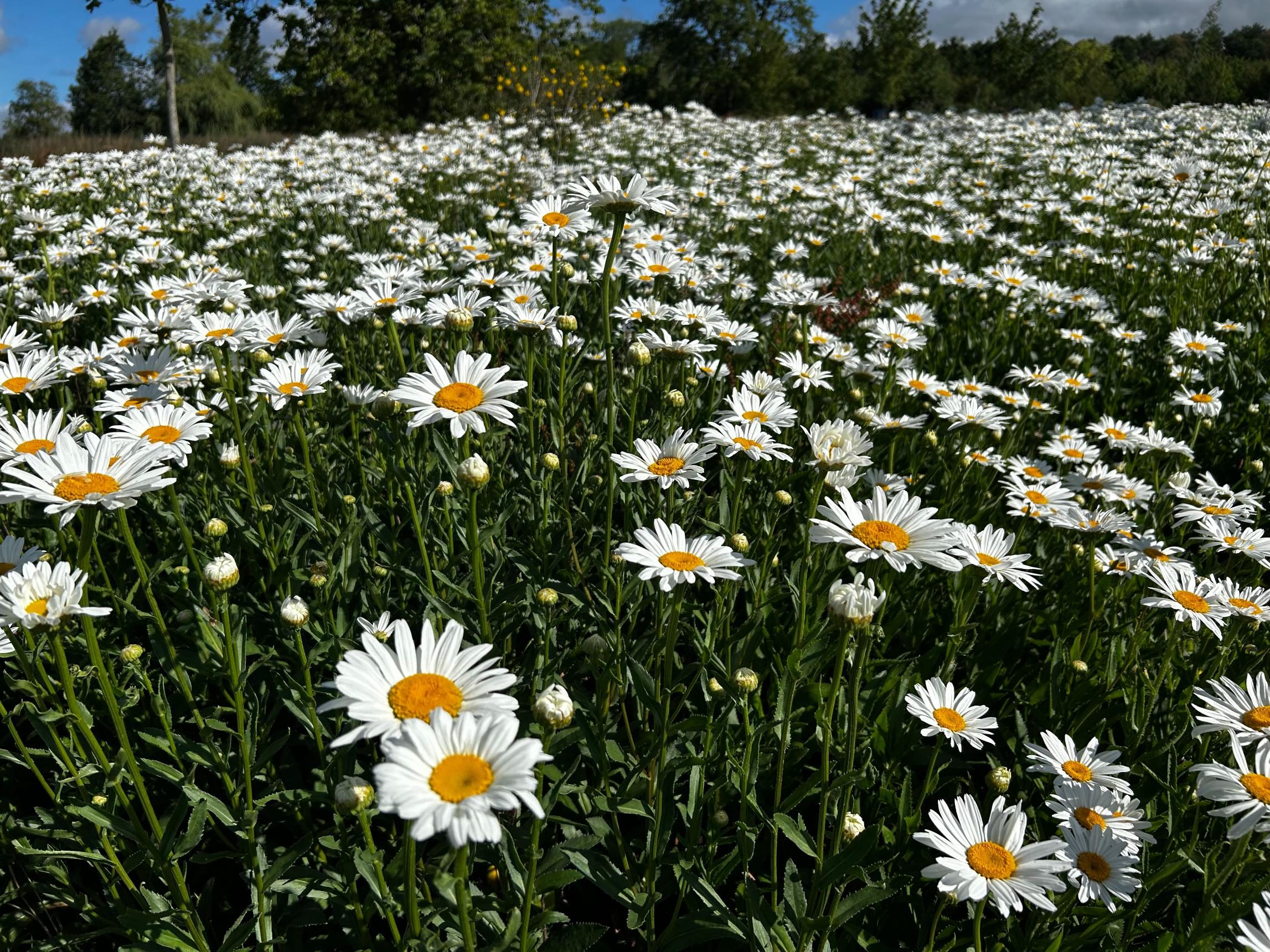
Long before “rewilding” became a widely recognised term, Miriam Rothschild (1908–2005) was making waves in the scientific community with her passion for restoring natural habitats. She wanted to rewild the British landscape after noting one morning that there was “Not a flower in sight. Modern agriculture had bulldozed, weed-killed and drained all the flowers out of the fields that I’d known as a child. We were living on a snooker table”.
Miriam was already well known as a world authority on fleas and butterflies, but from the 1970’s she became a prominent voice about the loss of wildflower habitats and rather than simply preserve them she wanted to revive them. Her work and many ideas remain central to rewilding today and are an important part of the conservation efforts here at Waddesdon Manor.
In the last few years, the gardening and conservation team have been using the Green Hay Method which is a great way to create species-rich wildflower meadows and grasslands across Waddesdon Manor’s grounds and estate.
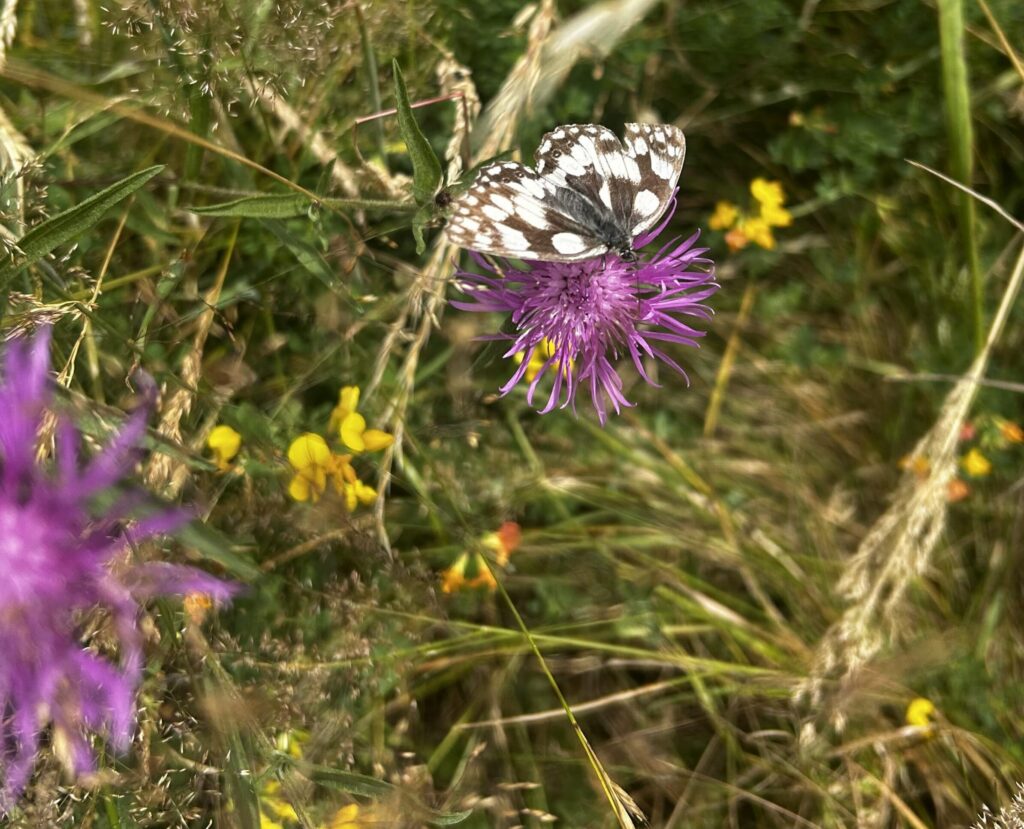
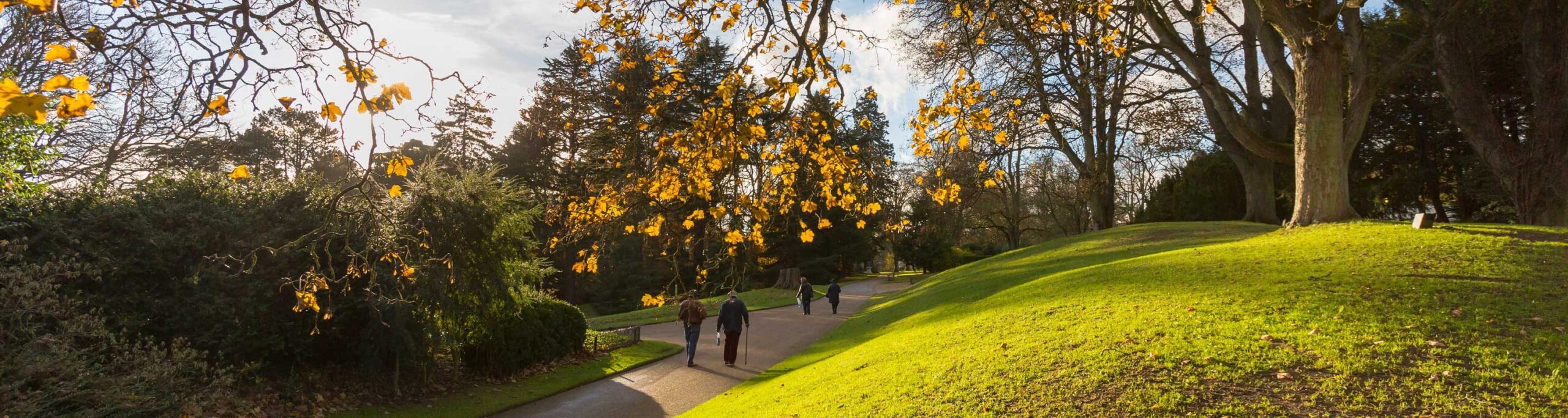
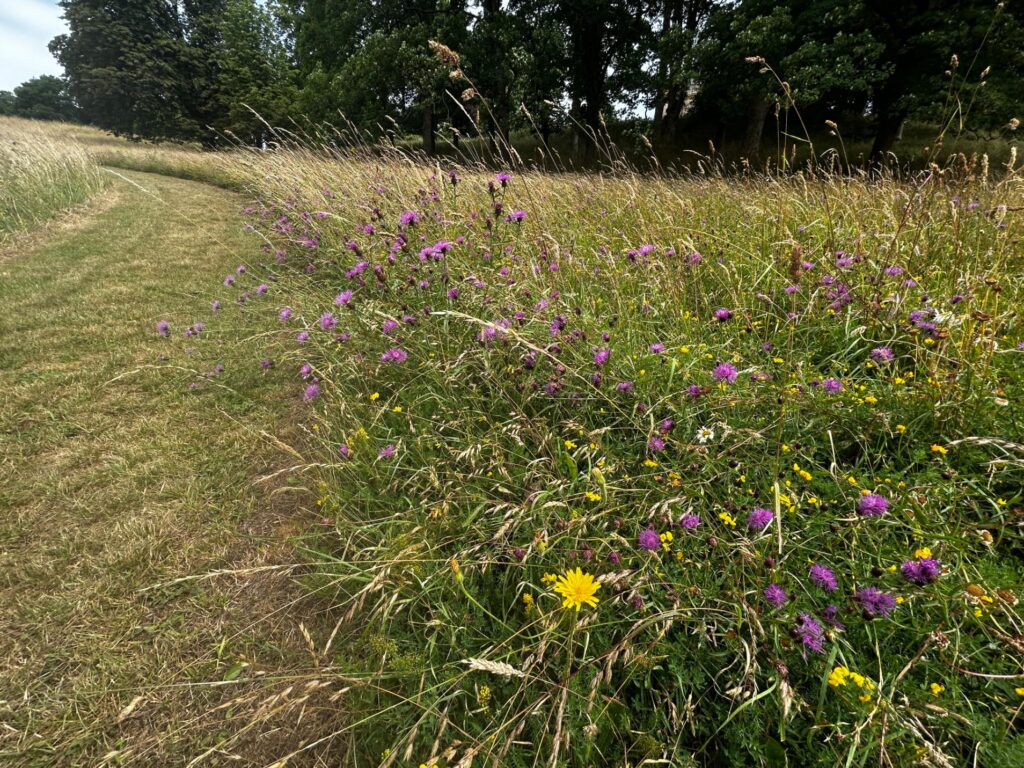
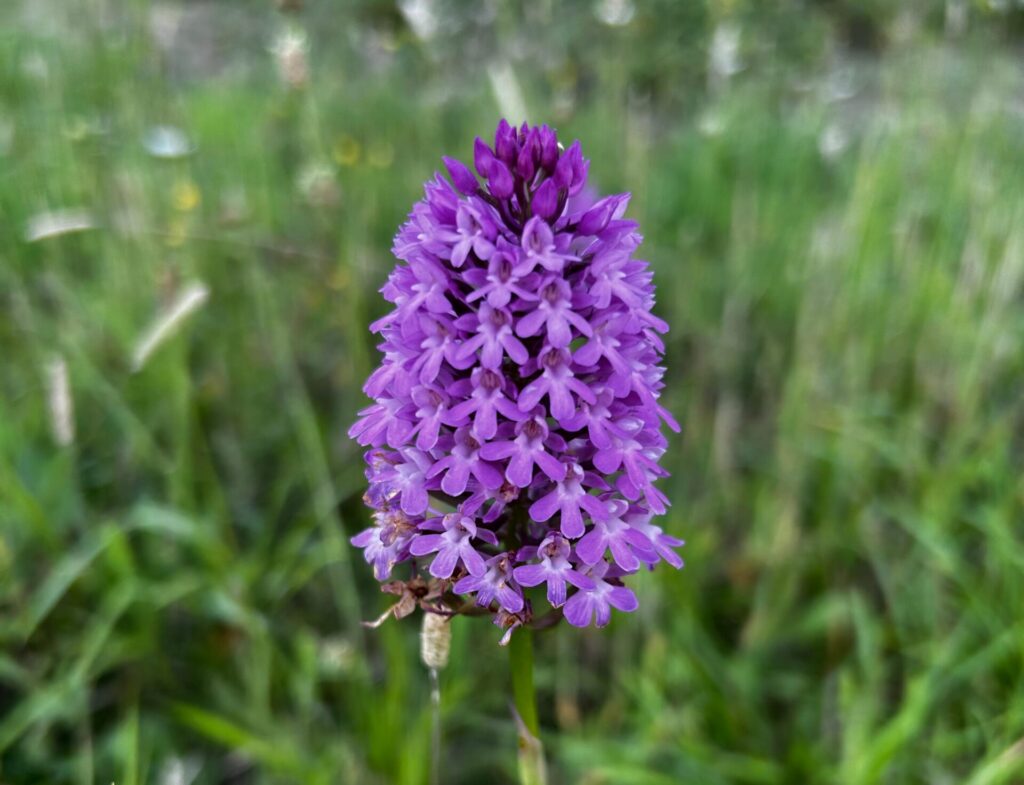
From May to July the meadows and grasslands are left to grow which is when you can spot beautiful wildflowers such as Pyramidal Orchids, Lady’s Bedstraw, Common Knapweed and Common Bird’s Foot Trefoil in abundance. You can look out for them as you walk up to the Manor from the car park or if you go down Daffodil Hill.
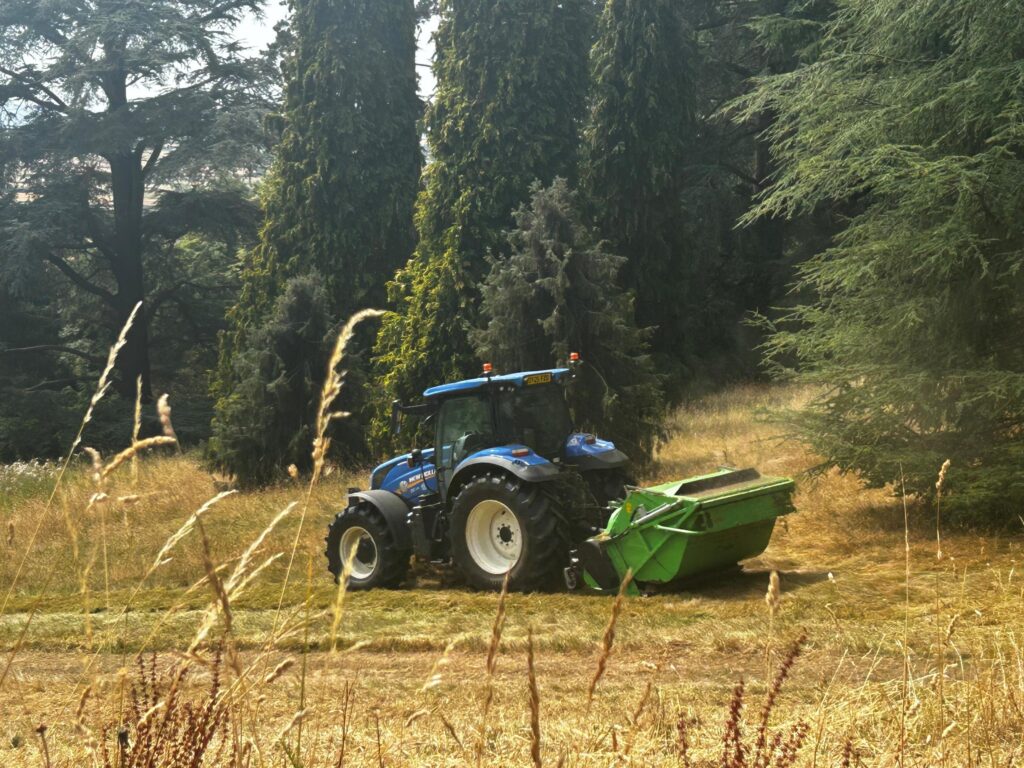
Unfortunately this year the heatwave and prolonged dry weather did affect the meadows and there were fewer flowers. Then at the end of July many of the meadows are then mown.
This involves harvesting freshly cut, seed-bearing grass from a healthy, biodiverse “donor” site – like our Daffodil Hill – and immediately spreading it over a prepared “receptor” site so the fresh seeds can germinate. Because the seeds are locally sourced and sown fresh, they are perfectly adapted to the regional climate and soil, and a preferred method over standard seed packets. Not just as it is cost-effective but because it includes a much wider variety of native wildflowers, grasses, and beneficial fungi.
Another benefit of encouraging these species rich wildflower areas is that they become havens for butterflies and bees. A recent butterfly survey (August 2026) found 18 different species of butterfly across the grounds in one day. Proving Miriam’s long-lasting legacy that if you restore the wildflower meadows and grasslands, they are not just pretty to look at but they also benefit a myriad of insects and pollinators too. So Waddesdon’s wildflower meadows will be back next year and will definitely be worth a wander.