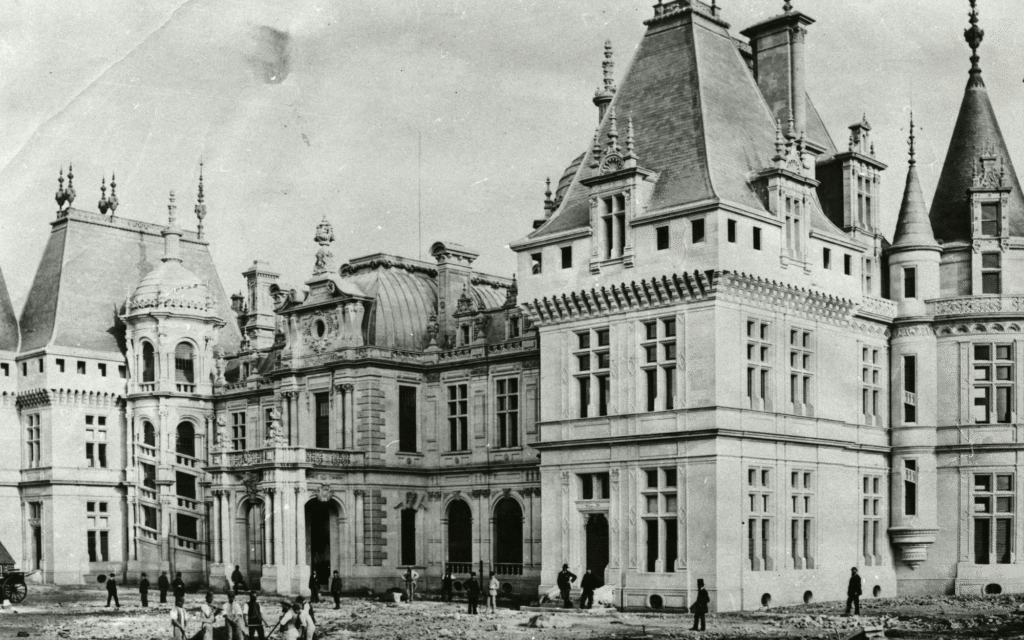
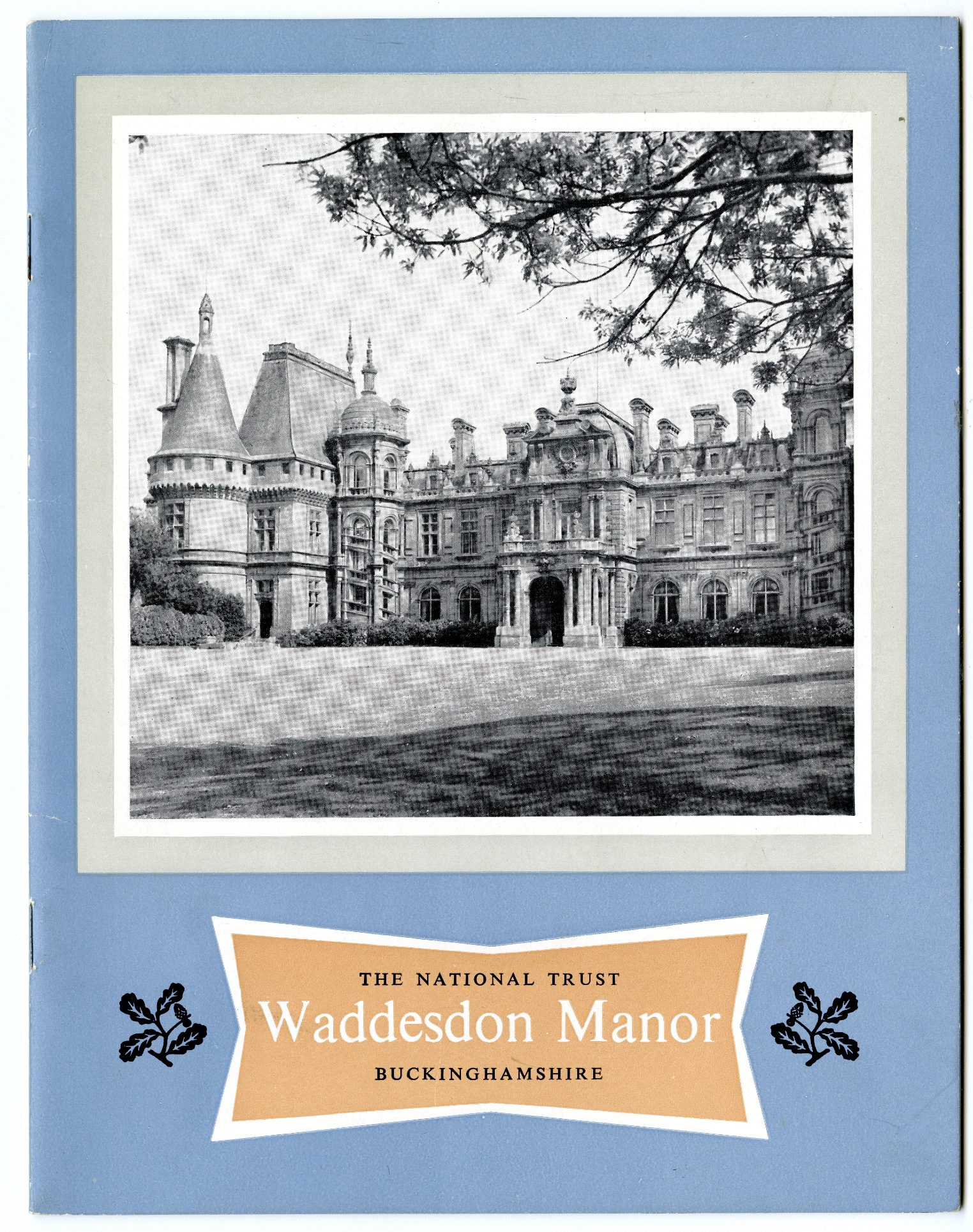
Waddesdon Manor was built by Baron Ferdinand de Rothschild between 1874 and 1885 to display his collection of arts and to entertain his friends. It is now open to the public and we welcome thousands of visitors each year who come to appreciate the exceptional architecture, art collections and gardens.
Baron Ferdinand de Rothschild wanted an estate where he could escape London in the summer months to entertain family and friends for weekend house parties. The Vale of Aylesbury was already known as ‘Rothschildshire’ for the number of the houses owned by the family in the area.
House Tours
Step inside Waddesdon Manor and enter a world where art, history and nature meet.
1874
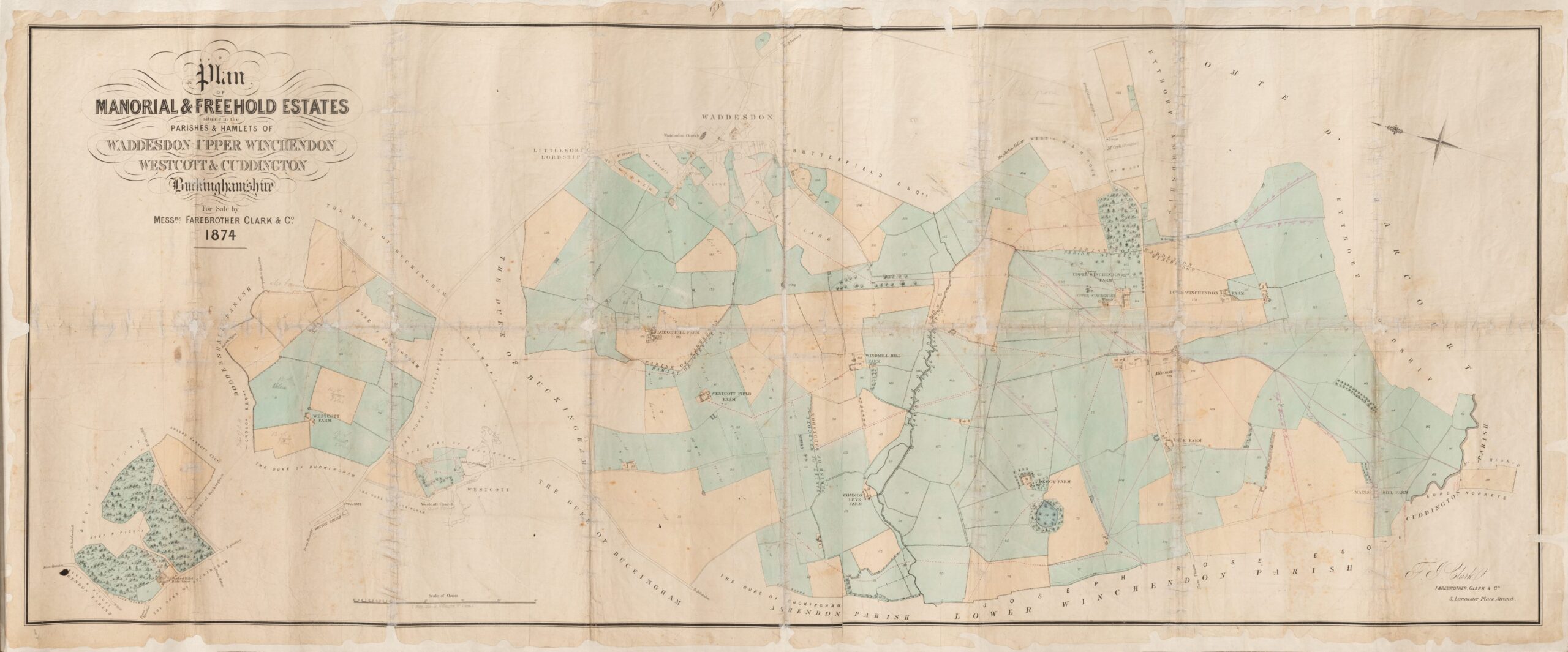
Ferdinand de Rothschild brought the 2,700-acre Waddesdon estate from the Duke of Marlborough, for about £200,000.
1874
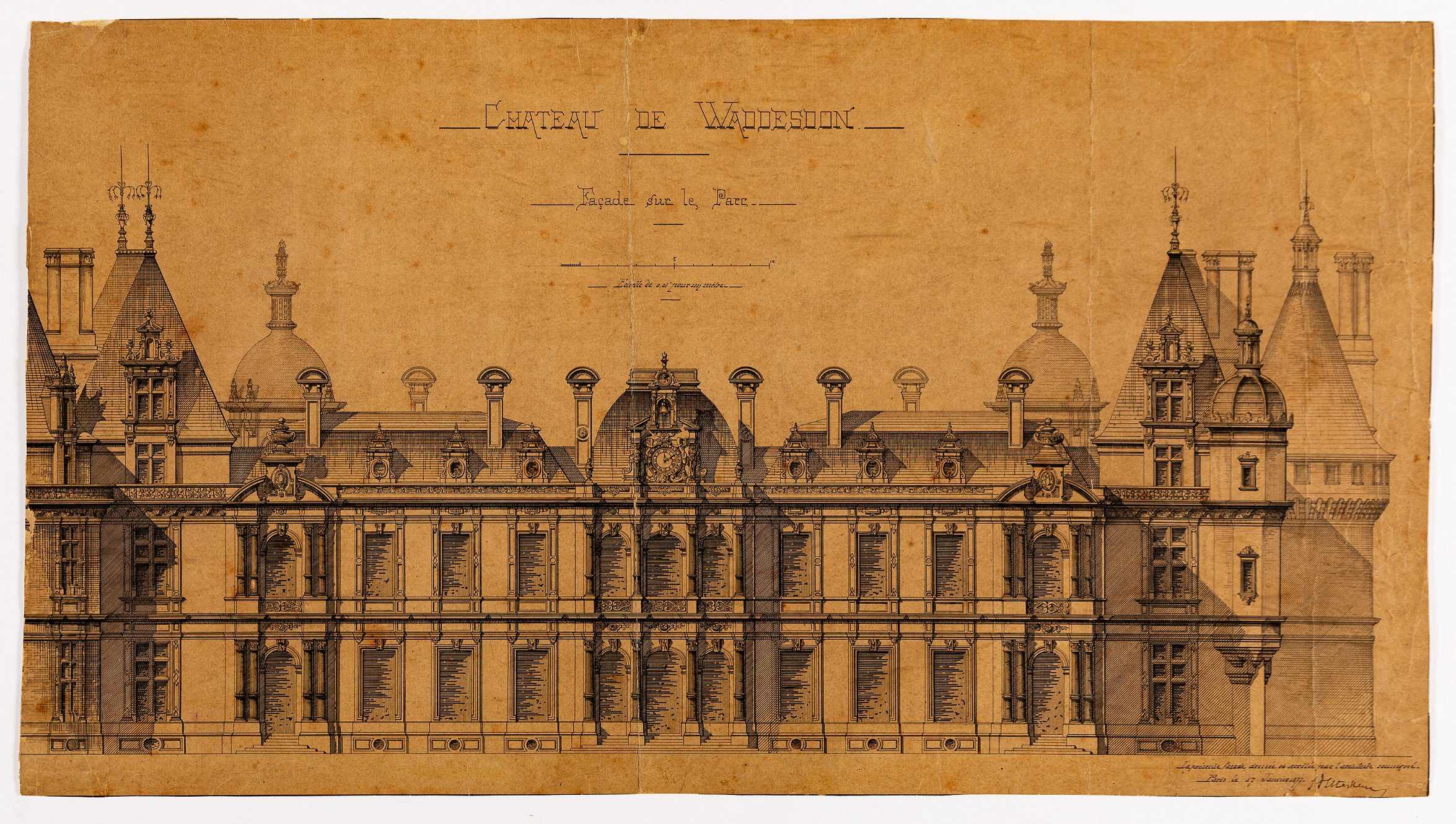
Ferdinand built Waddesdon Manor in French Renaissance style with architect Gabriel Hippolyte Destailleur. Landscape designer Elie Lainé created gardens with an aviary, farmstead, kitchen gardens, and glasshouses. Local architect William Taylor added the ornamental Dairy and reshaped Waddesdon village with a reading room, hotel and village hall.
“The difficulty of building a house is insignificant compared with the labour of transforming a bare wilderness into a park.”
Baron Ferdinand de Rothschild
1875
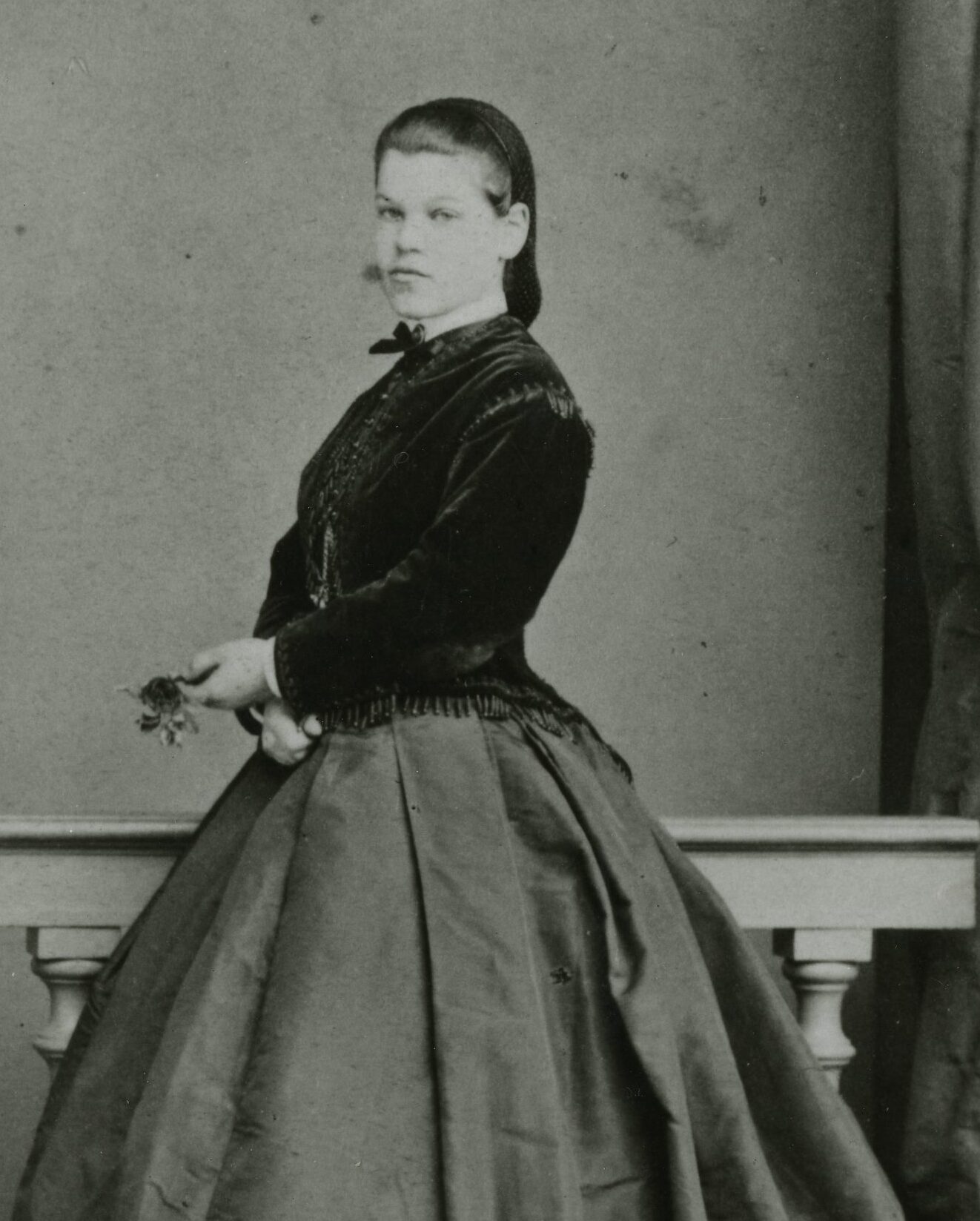
Alice de Rothschild, Ferdinand’s sister acquired the Eythrope estate (adjacent to Waddesdon) in 1875, where she built a Pavilion designed by George Devey. She had settled in London at 19 after Ferdinand’s wife died, becoming his close companion and often acting as hostess.
1877
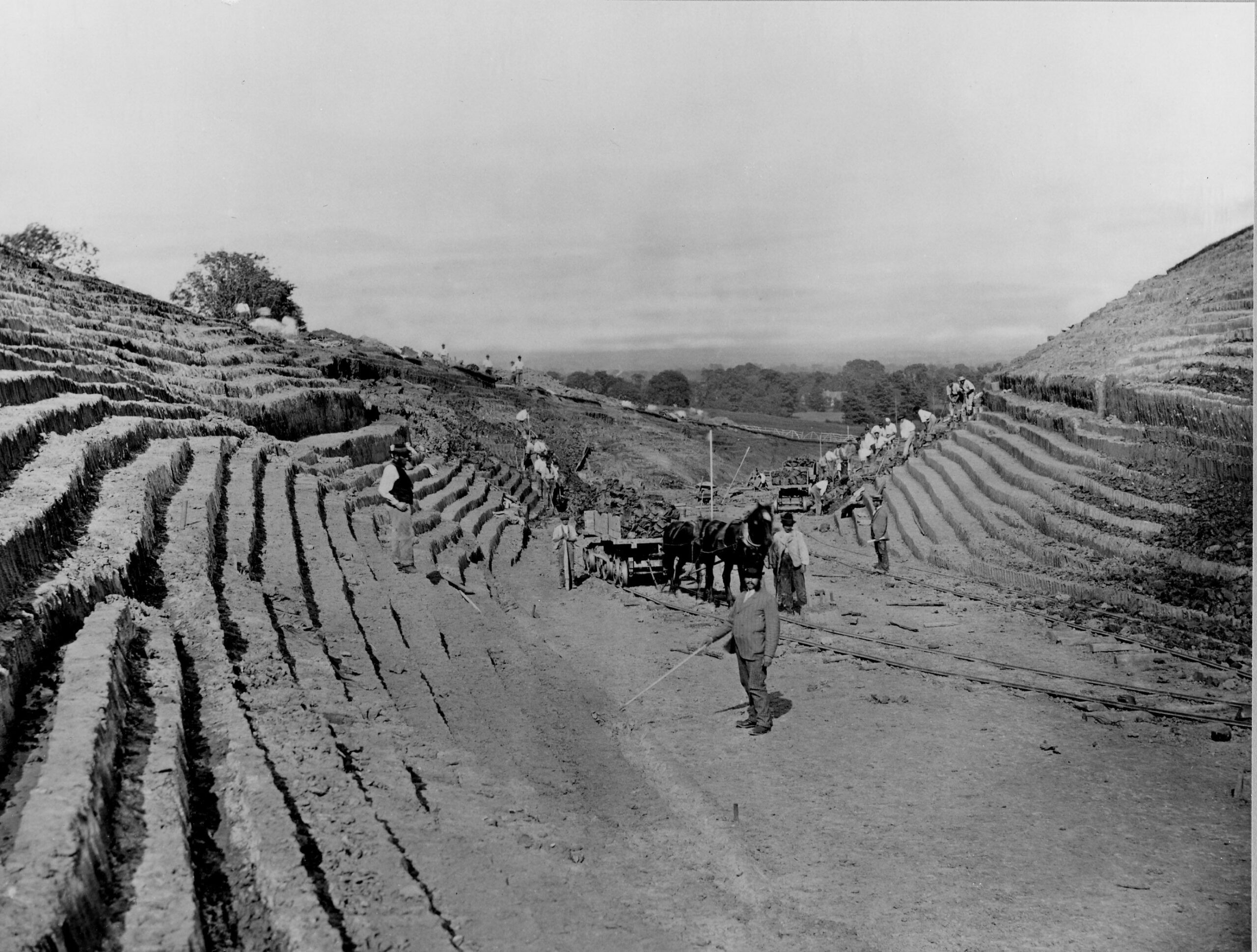
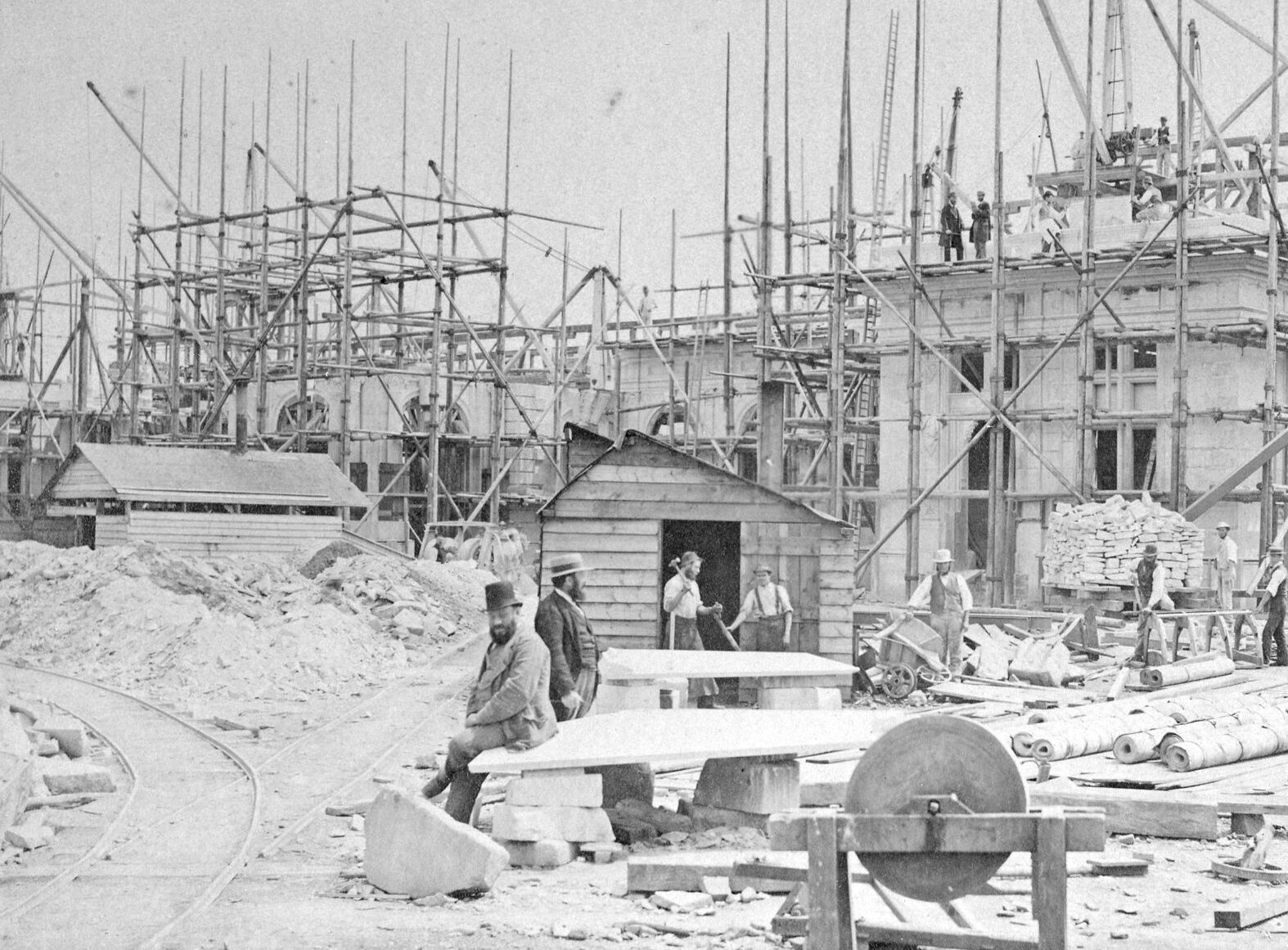
Waddesdon’s foundation stone was laid in 1877. Within six years, the bare hill became a grand estate. Ferdinand called the immense effort “the Labours of Sisyphus.” Workmen excavated drives, terraces, and foundations, while building materials arrived by rail and were hauled up the hill by tramway.
1883
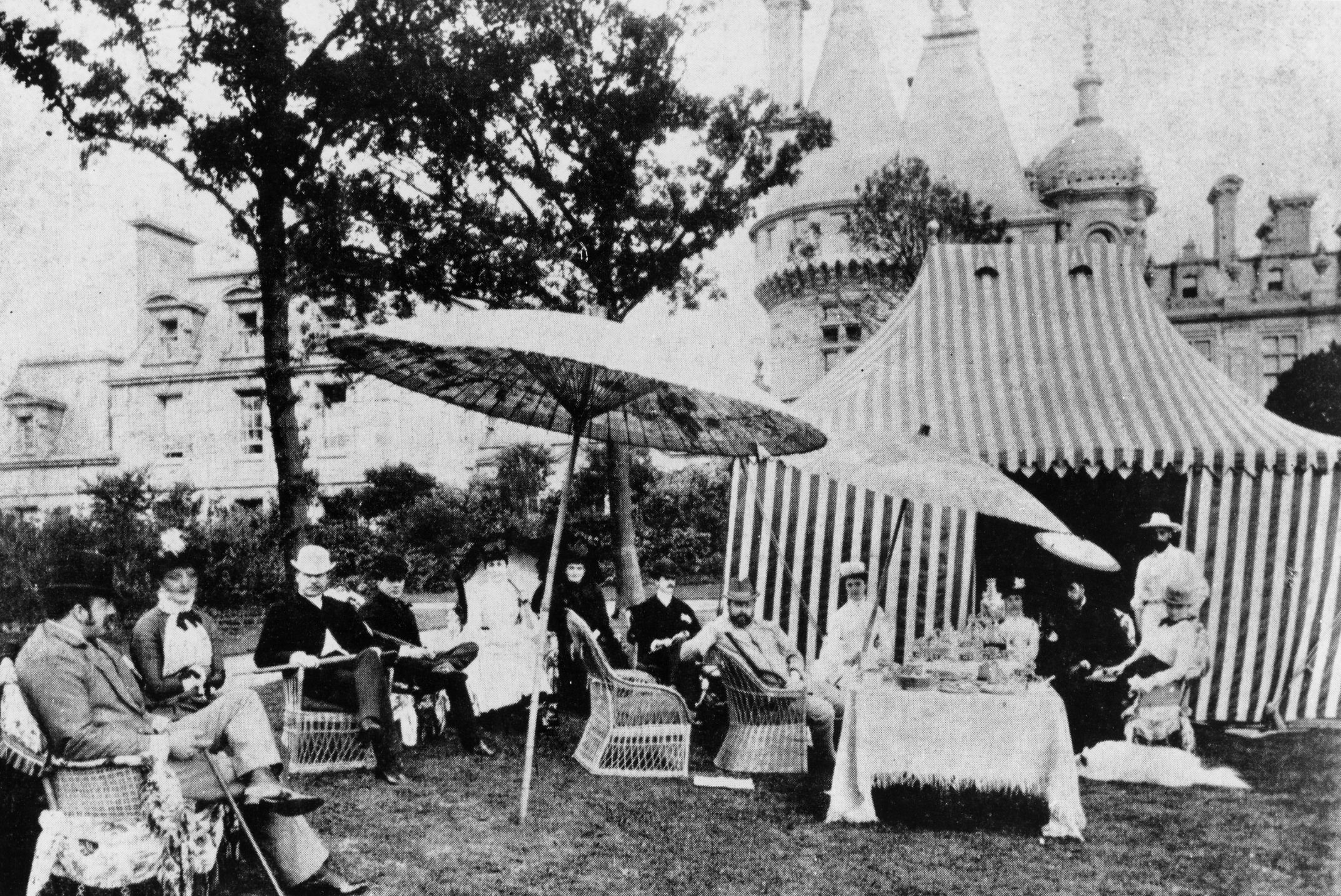
In 1883 the completion of the house was celebrated with the first of many house parties. Running water and central heating were provided from the start and electricity introduced in 1889.
1888
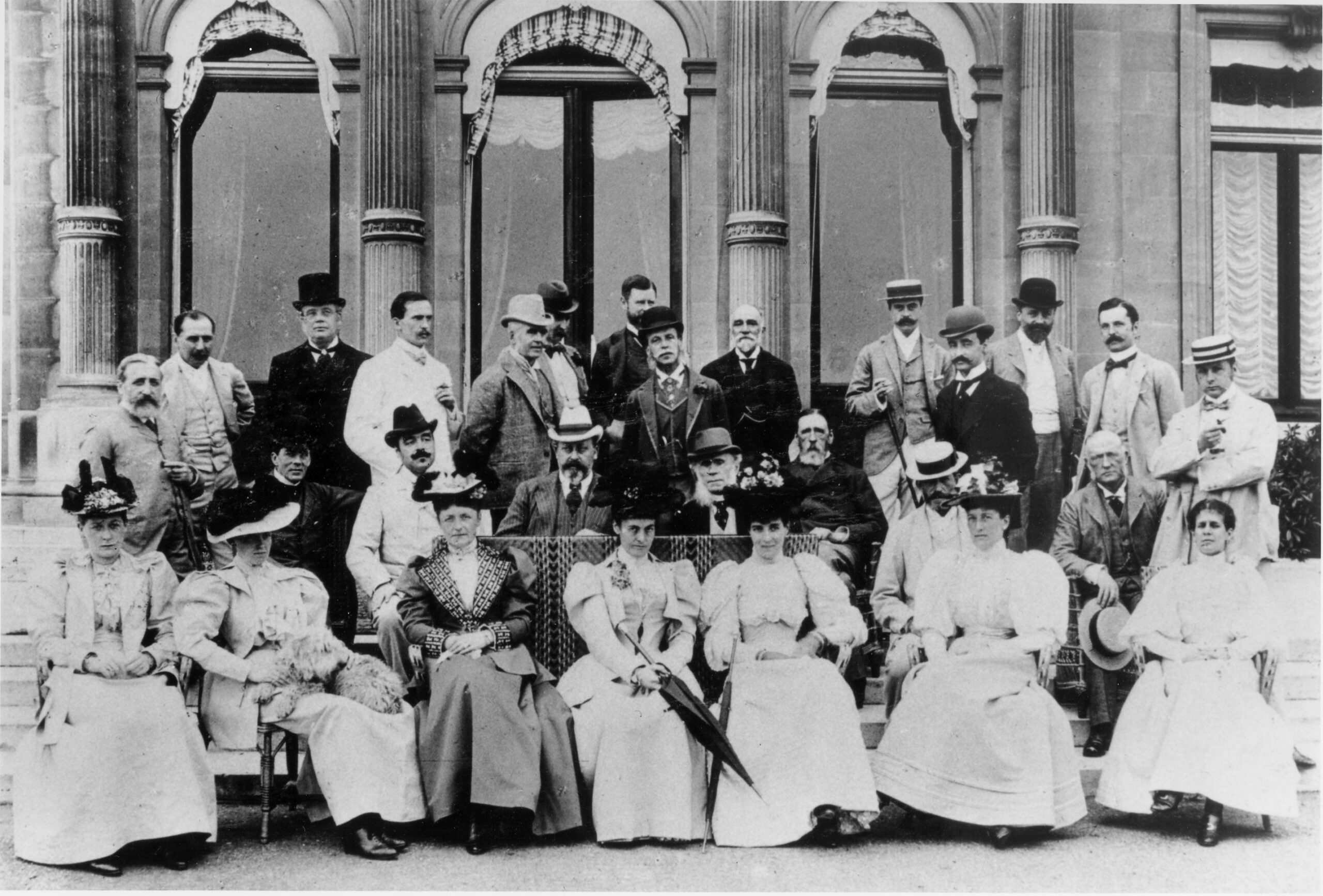
Guests at Waddesdon usually numbered between 14 and 20 but could be substantially more. A visit might include a tour of the Manor and collections followed by a carriage ride around the wider estate, finishing at the ornamental Dairy to sample strawberries and cream and a viewing of the huge range of glasshouses.
1889
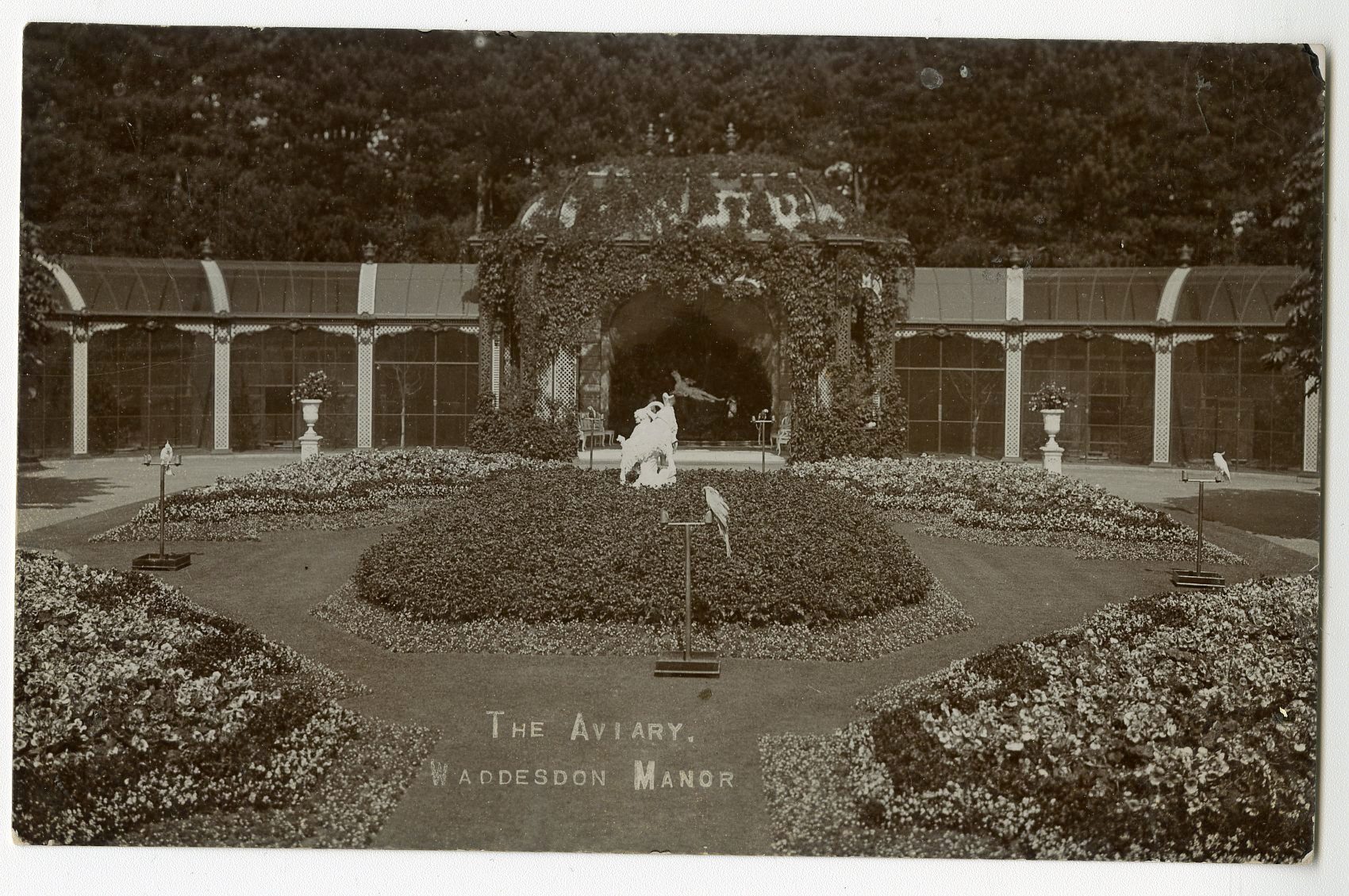
Ferdinand continued to develop the Manor most notably by extending the building west in 1889. He also added an Aviary to house his collection of rare birds.
1890
Waddesdon’s visitors’ book provides a revealing insight into Ferdinand’s social circles. At house parties, he assembled a variety of people, drawn from both aristocratic and elite circles, and the Manor became a stage for discussion and debate about topics including business, politics and the arts.
Edward, Prince of Wales, and his set were regular visitors.
14th May
1890
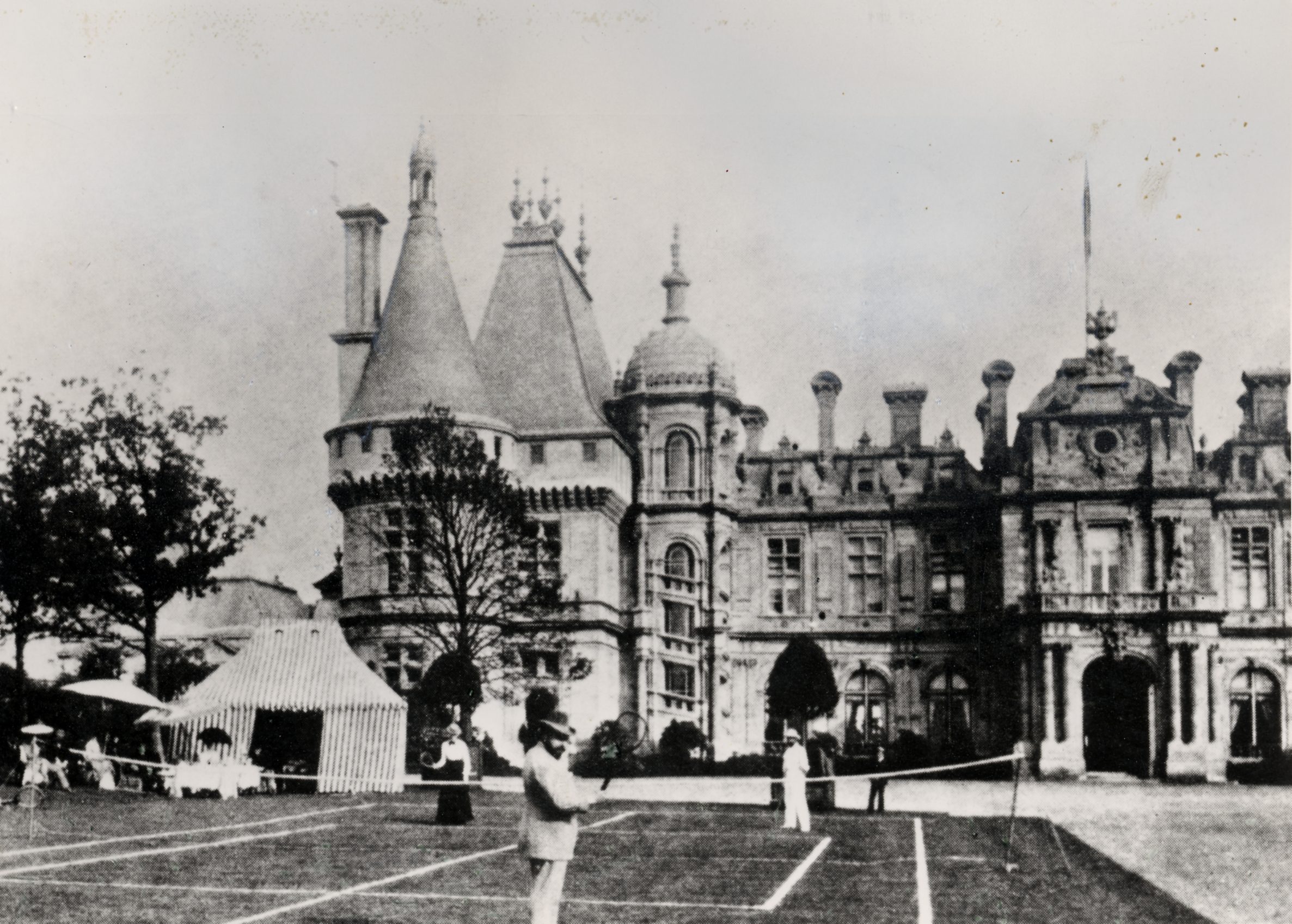
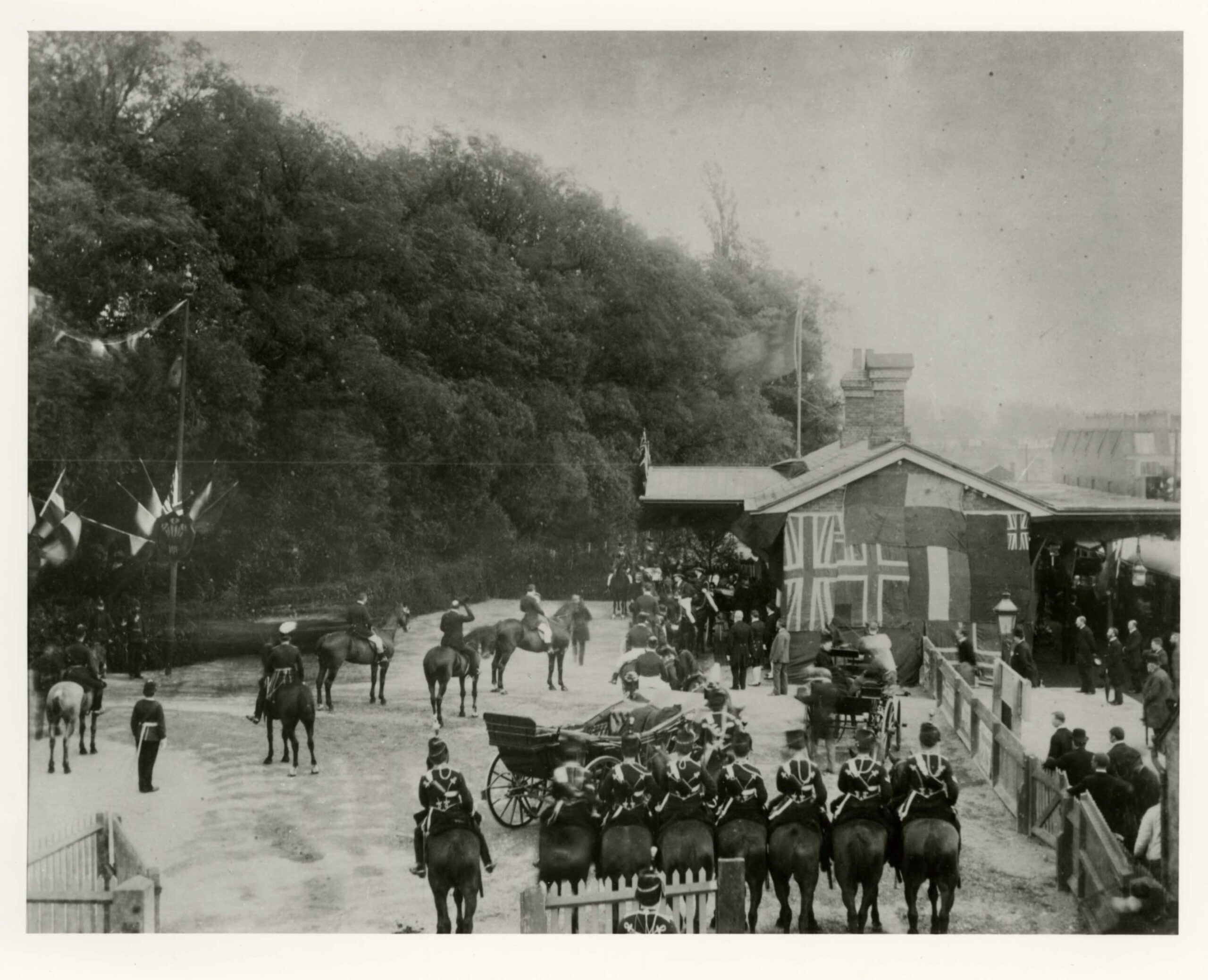
Queen Victoria visited Waddesdon Manor, travelling through decorated streets and cheering crowds to a lavish luncheon, followed by a tour and tree planting ceremony. Her appetite impressed her hosts, and she exchanged gifts with Ferdinand, marking the visit as a memorable royal occasion.
1898
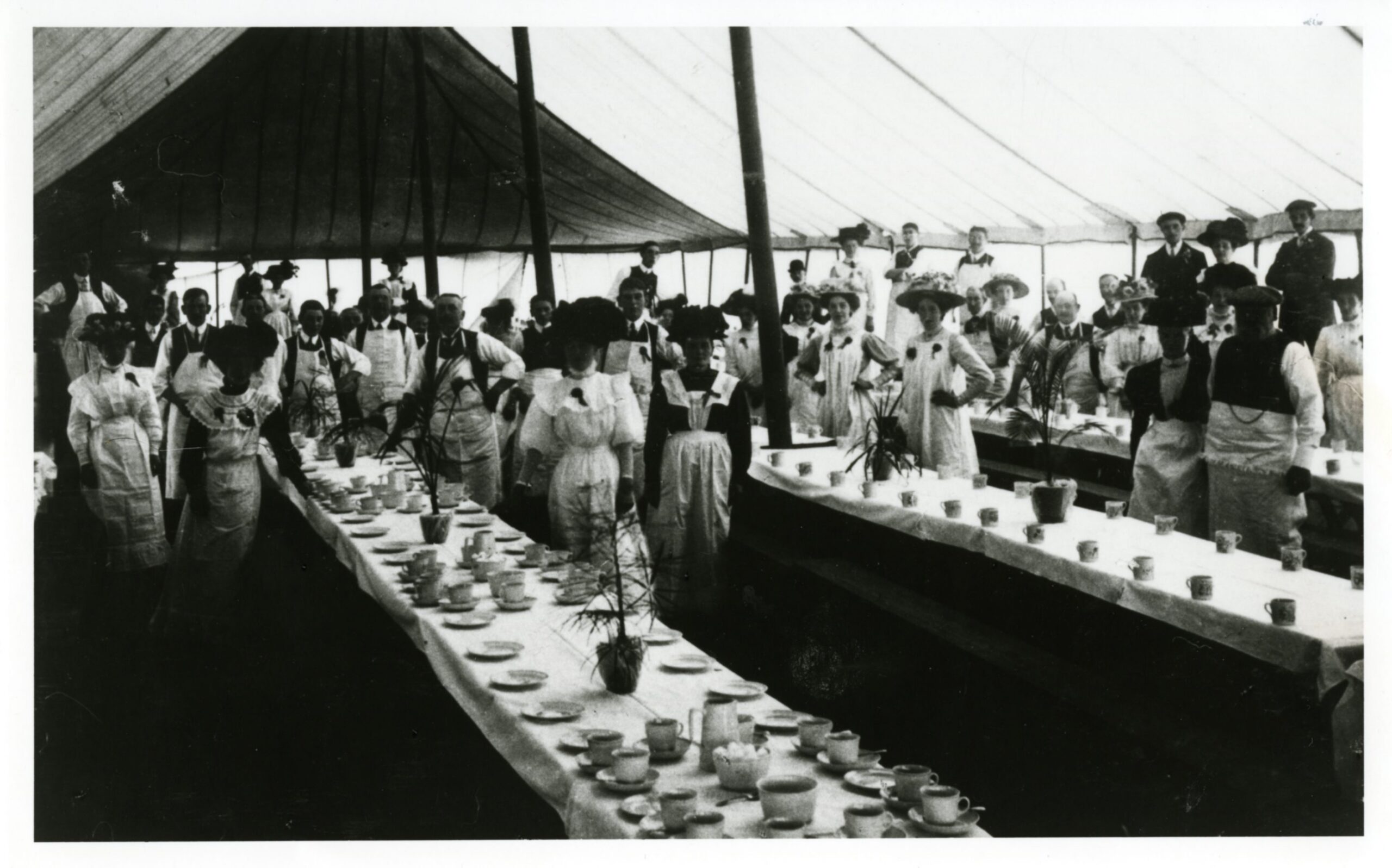
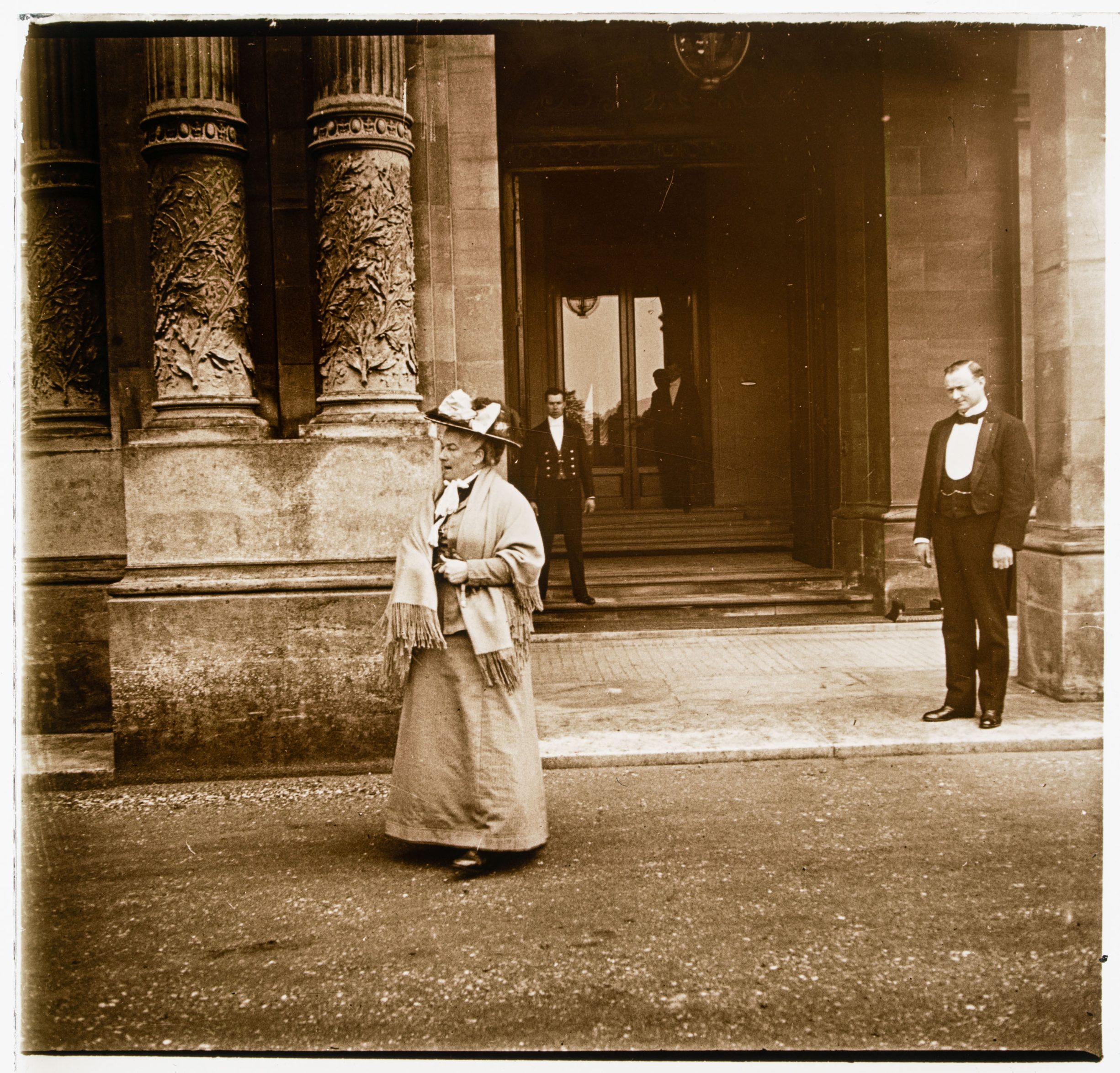
Beginning as a simple picnic, the Baron’s Treat grew into a lively festival by the 1880s, with tea, rides, bands, dancing, and fireworks. Ferdinand hosted villagers and schoolchildren yearly. After his death, Alice continued the tradition until 1914, when World War I brought the final celebration with 1,500 children attending.
17th Dec
1898
Ferdinand died unexpectedly of heart failure at the Manor on his 59th birthday. With no children, he left the Estate, the house and most of its contents to his sister, Alice.
1900
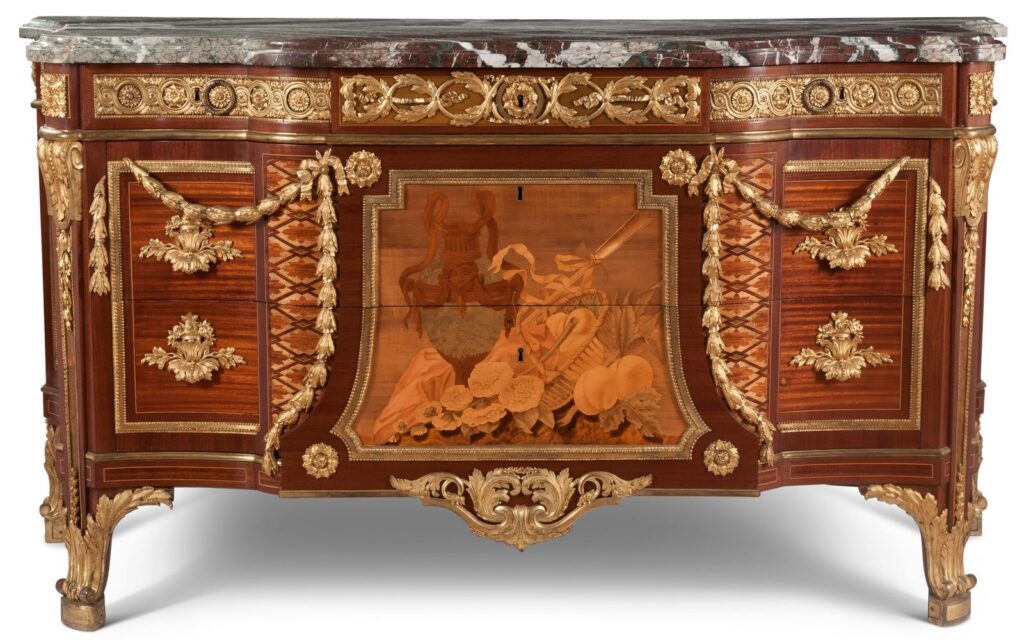
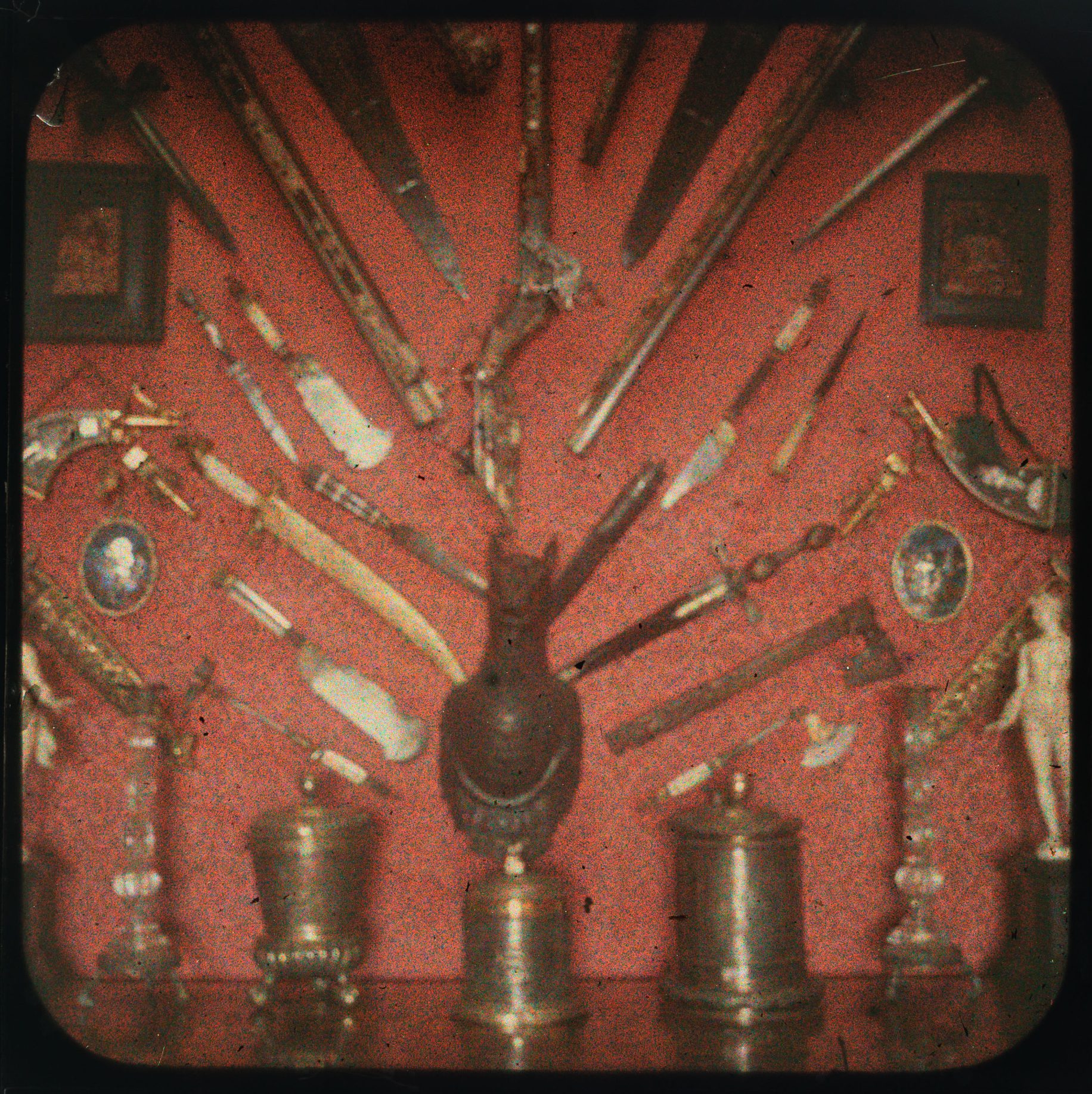
At Waddesdon, the Smoking Room had contained Ferdinand’s ‘Renaissance Museum’, which he had bequeathed to the British Museum as the ‘Waddesdon Bequest’. Alice collected objects for that room but did not just replace like with like. She introduced Renaissance paintings, both religious and secular, and extensive arrangements of maiolica. She also created elaborate displays of arms and armour in the Billiard Room Corridor.
1911
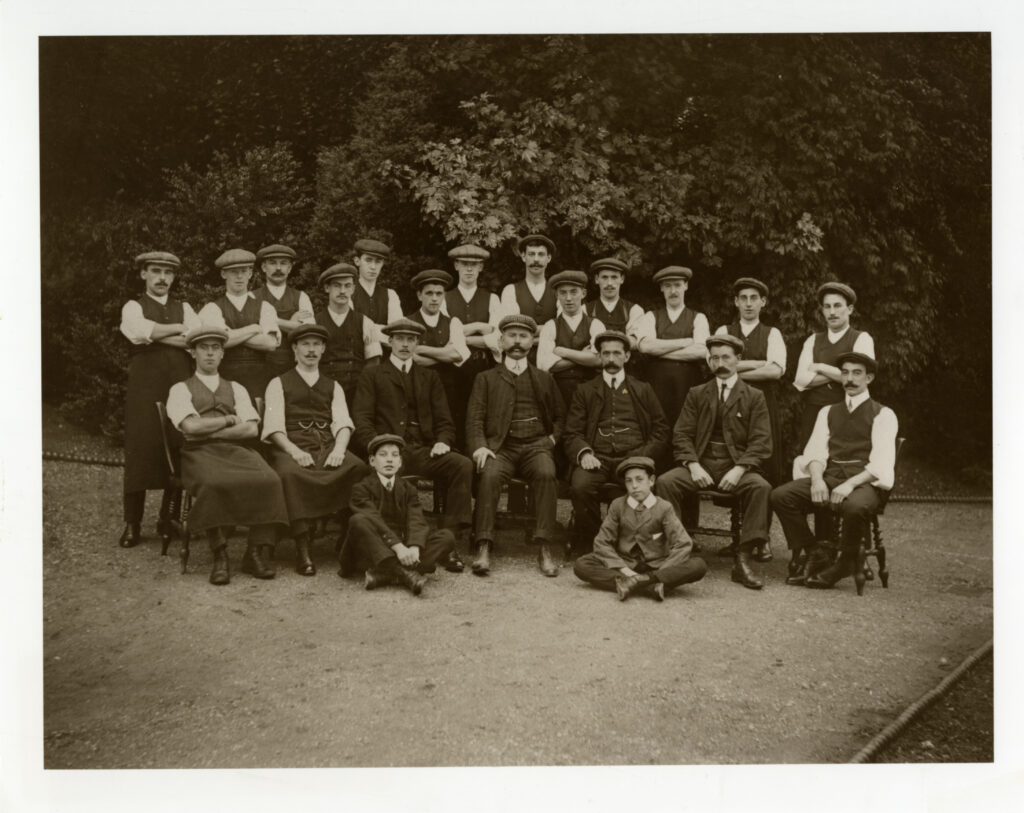
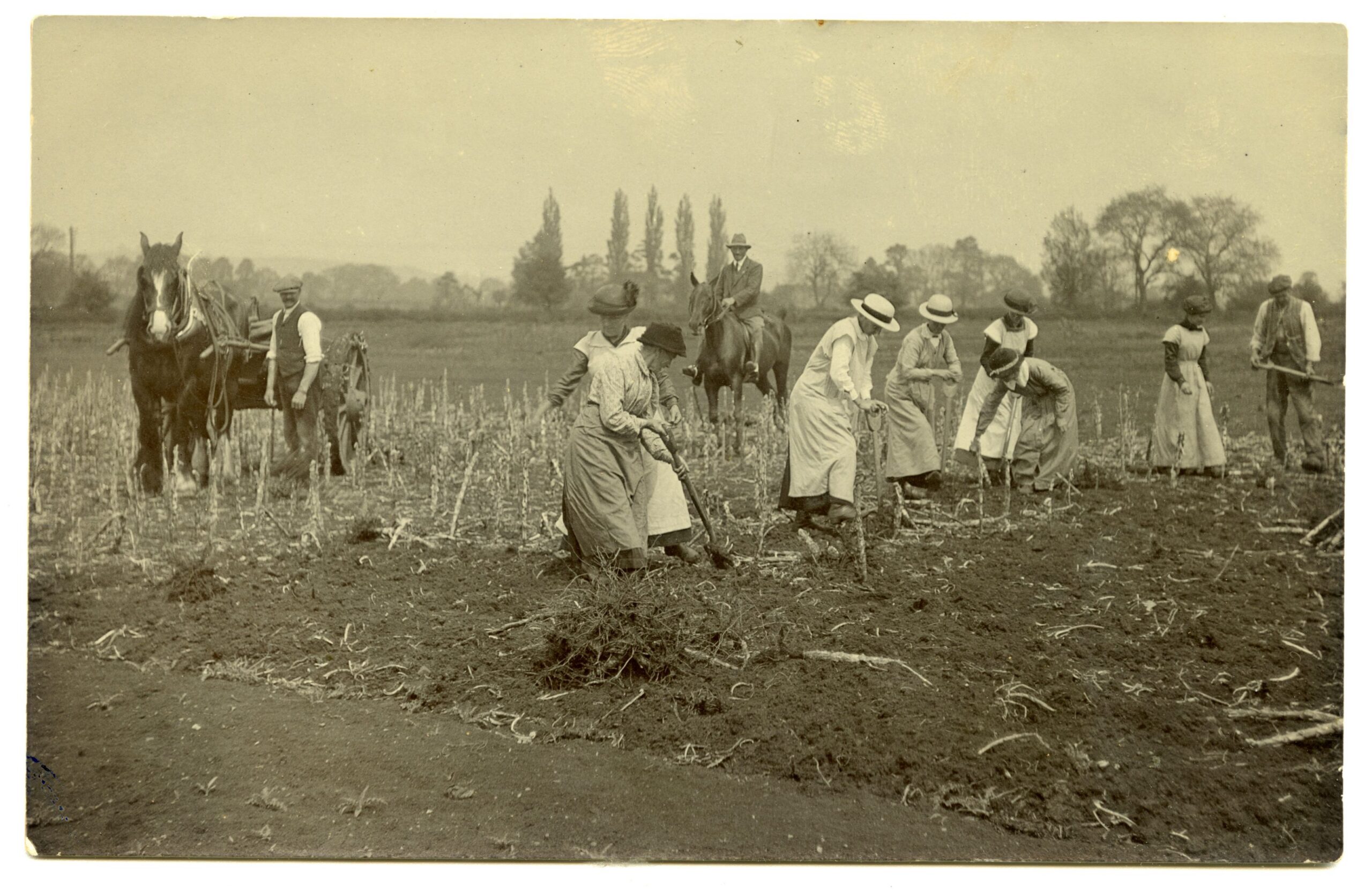
The First World War profoundly affected Waddesdon. Many estate workers served in the military and German POWs occupied the gardeners’ bothy. Food shortages led to replacing flower beds with potatoes, beets, and carrots; rabbits were fattened in the aviaries, and sheep slaughtered for home use.
“I shall not require plants in the mansion next summer, nor flowers on the hill.”
Alice de Rothschild
1922
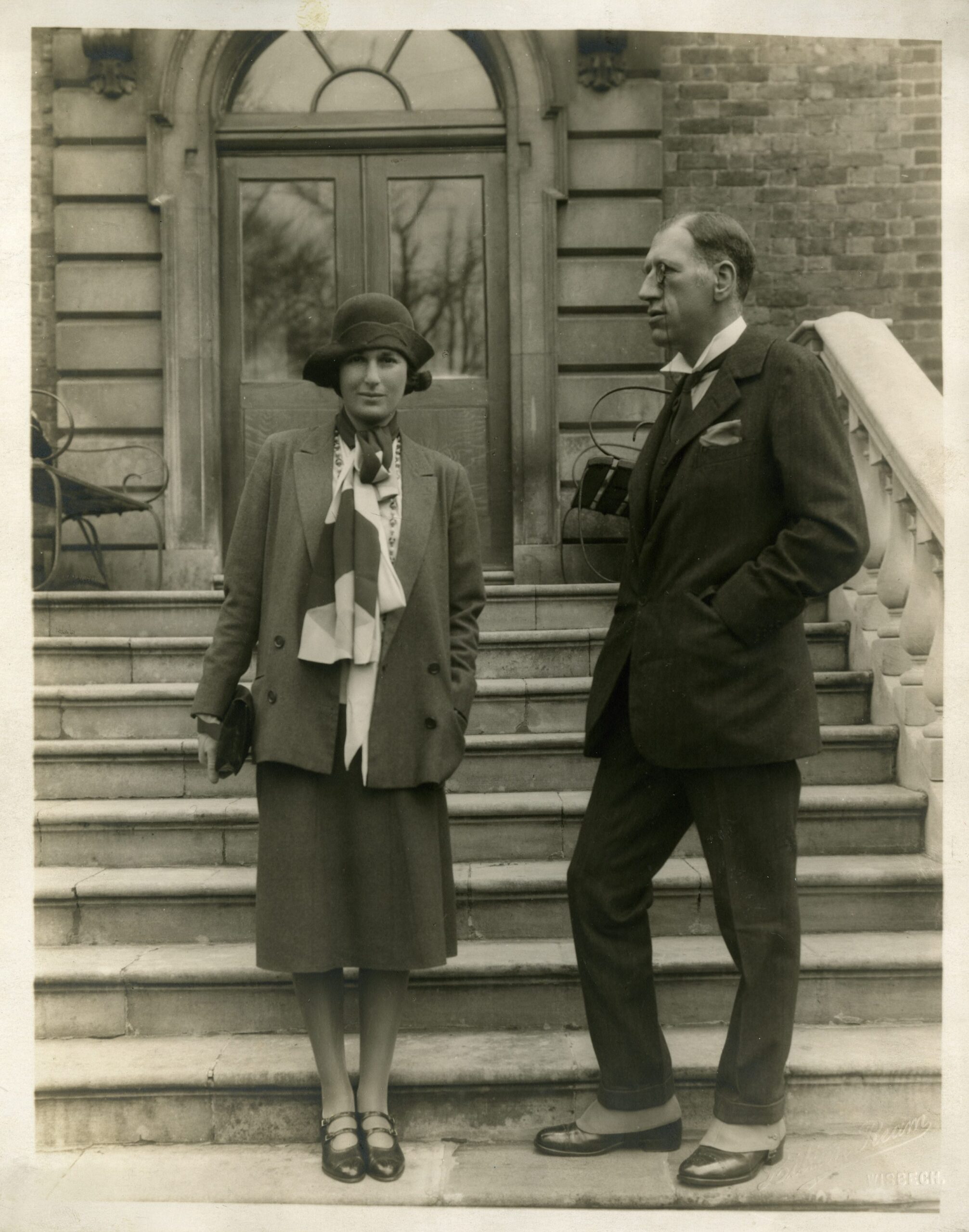
Following Alice’s death in 1922, Waddesdon passed to her great-nephew James de Rothschild and his wife Dorothy.
1934
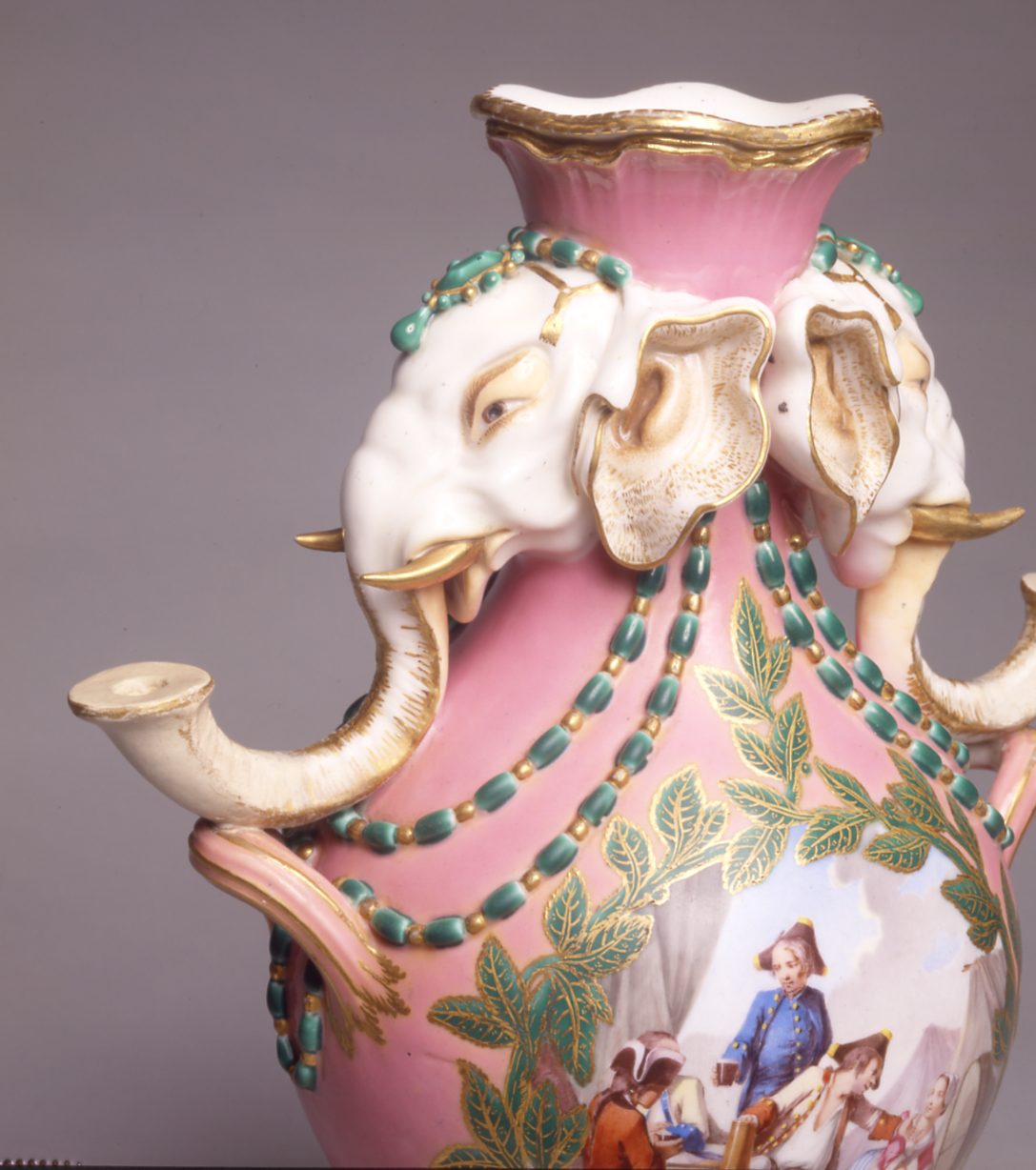
Though James and Dorothy collected little art, Waddesdon gained significantly from James’s inheritance of a third of his father Edmond’s major art collection. James also commissioned Léon Bakst’s Sleeping Beauty series for his London home, now housed at Waddesdon.
1939
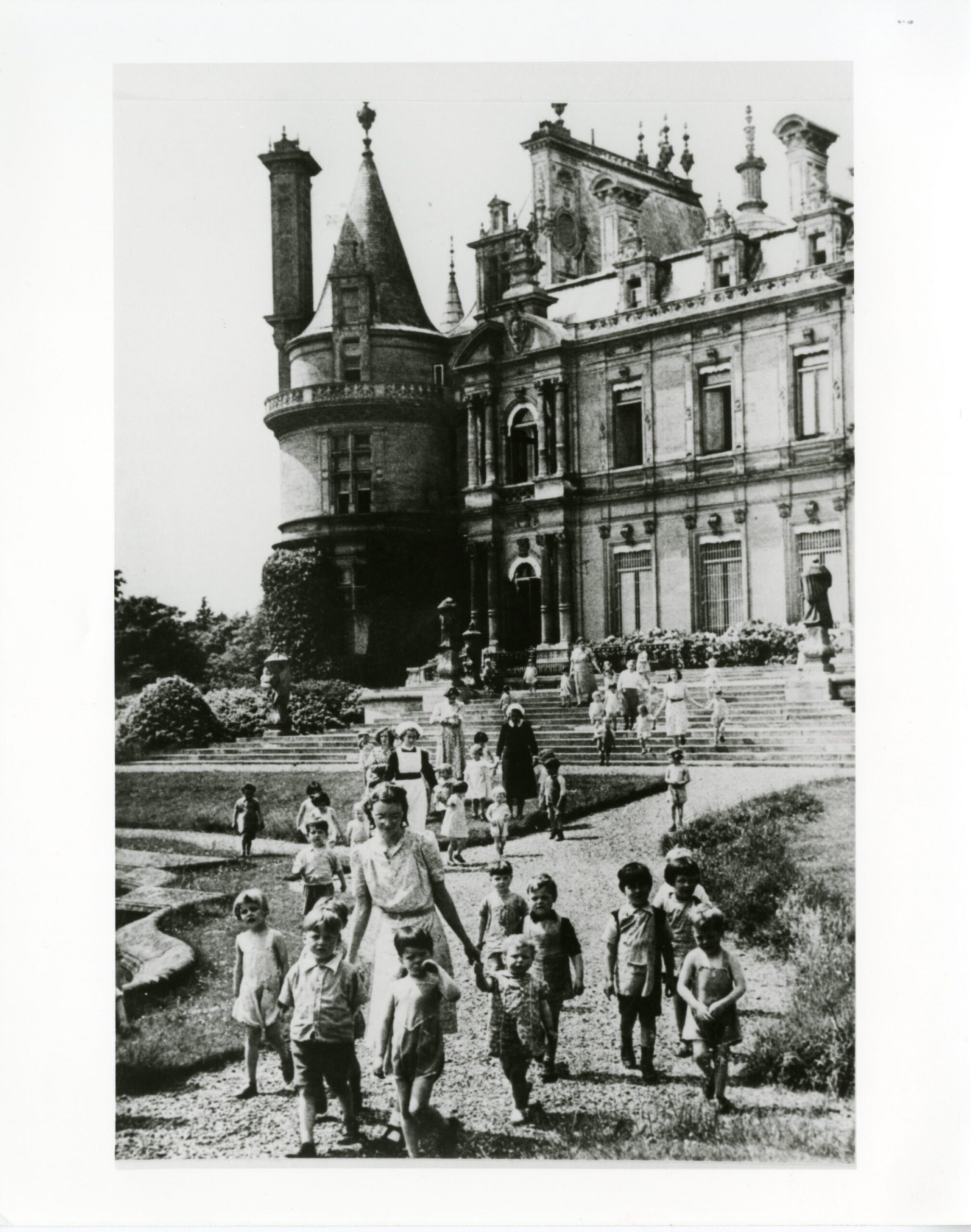
Very little changed until the Second World War when the rooms were emptied to accommodate 100 children evacuated from London, the first and only time that children lived in the house.
1957
With no children, James left Waddesdon, its key collections, and surrounding grounds to the National Trust. He created a management committee chaired by a family member, and a substantial endowment ensured the family could continue to support and guide the estate’s ongoing operations and preservation.
1959
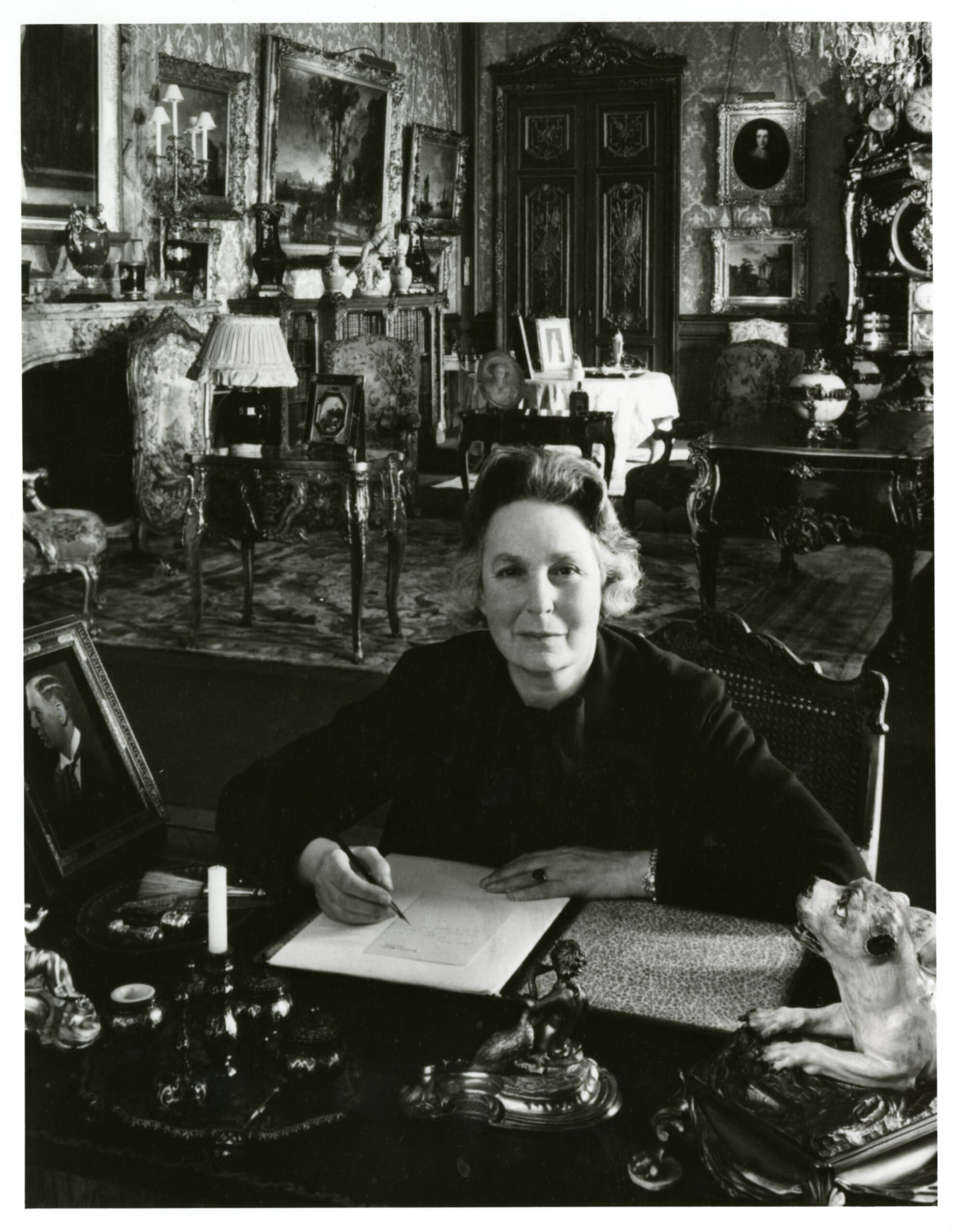
Dorothy, oversaw the opening of the house to the public in 1959 and chaired the management committee for nearly 30 years until her death in 1988.
1988
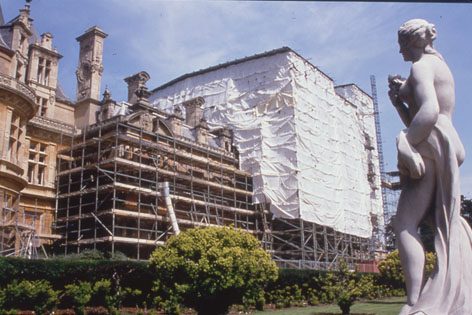
Shortly before Dorothy’s death, she began a survey into the condition of the roof. Jacob, 4th Lord Rothschild, her heir, expanded the project into a complete renovation of the house and its services. The house was closed and emptied in 1990 and the first floor only opened again in 1995.
1995
Jacob oversaw the complete restoration of the gardens, the Dairy, the creation of the Coach House Gallery at the Stables, and the construction of the Windmill Hill archive complex and the Flint House.
2024
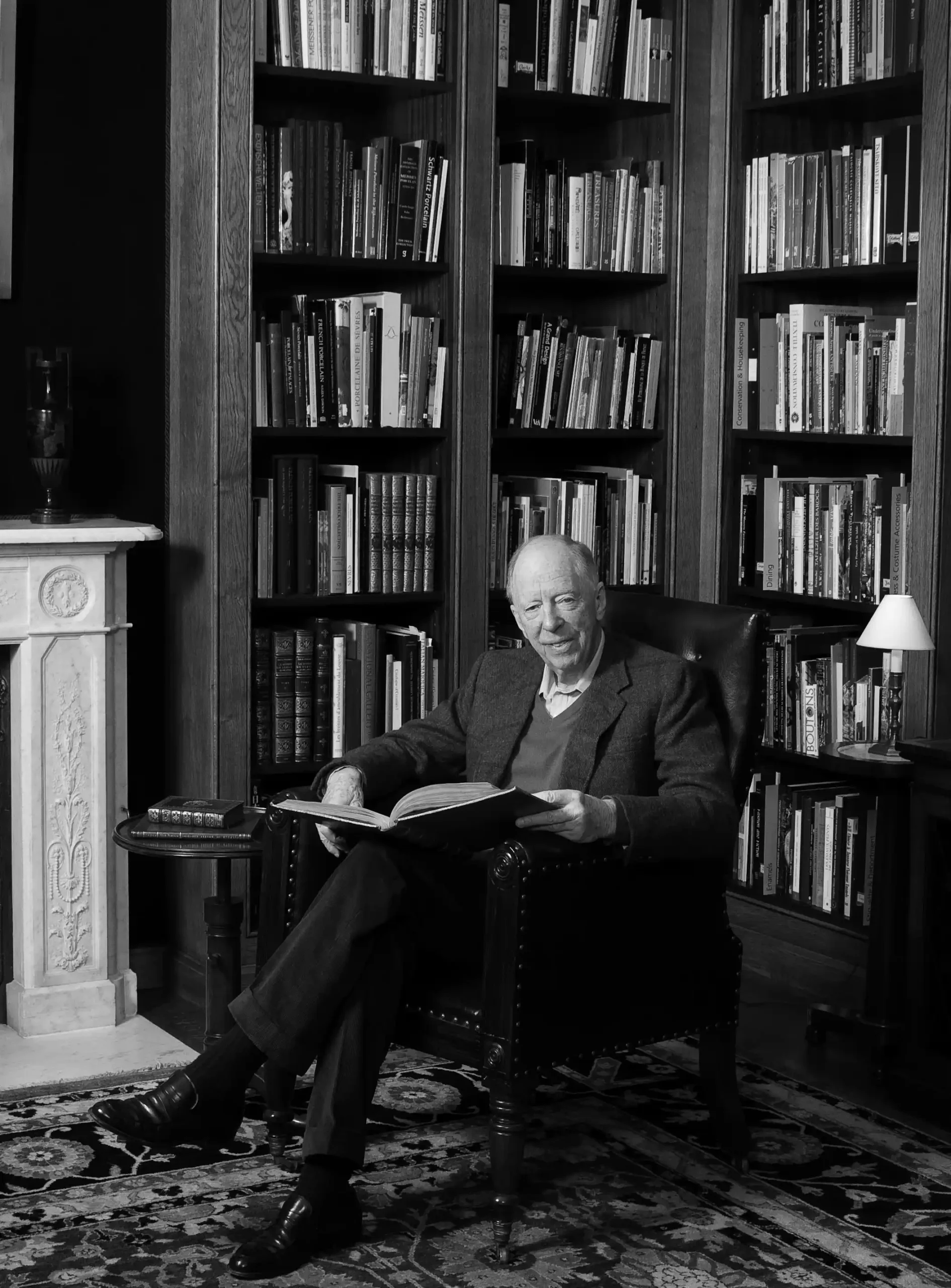
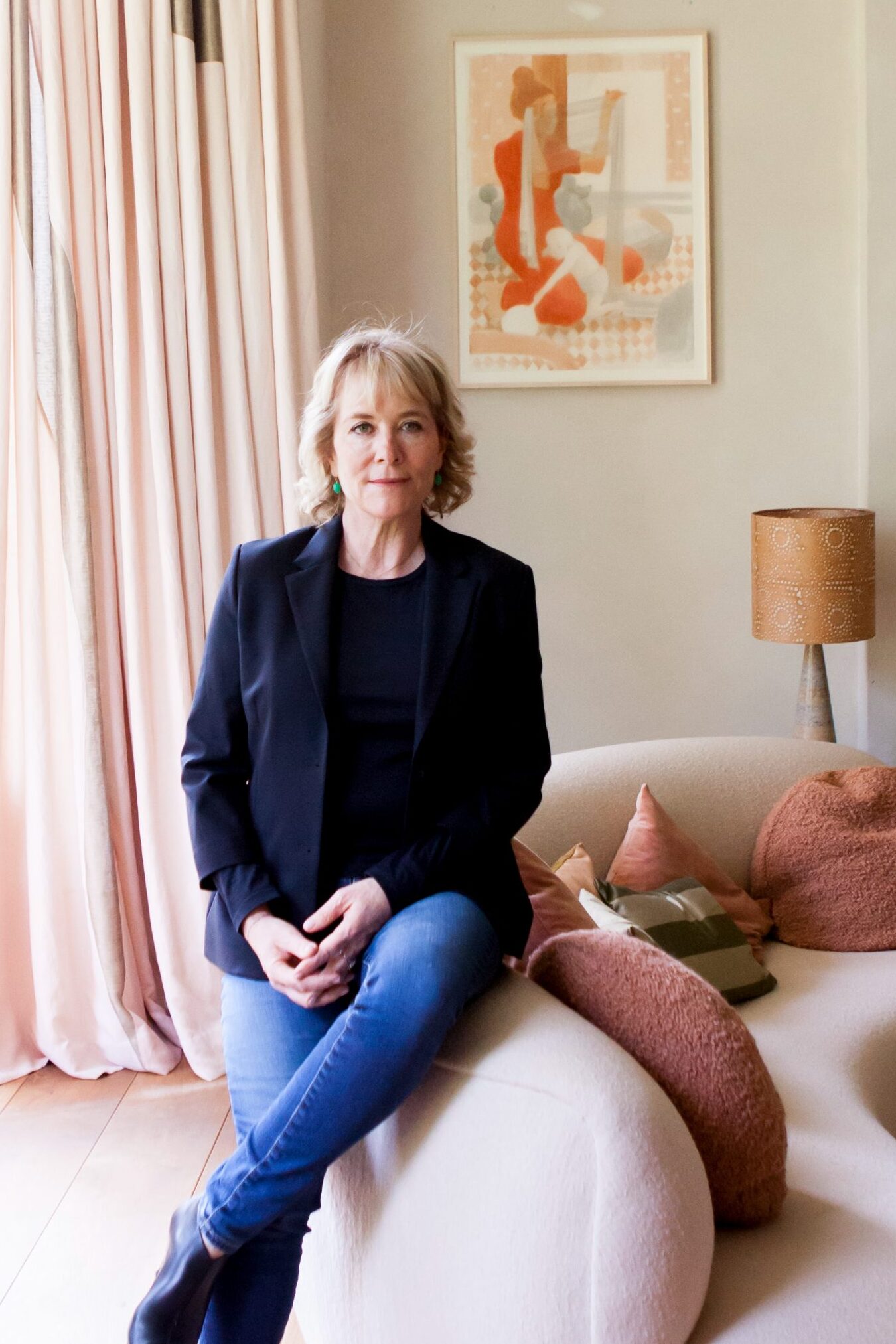
Following Jacob’s death in 2024, his daughter Hannah assumed the role of Chair of the Rothschild Foundation. The family is committed to continuing his legacy and the foundation which he loved and endowed.