

The Aviary Story
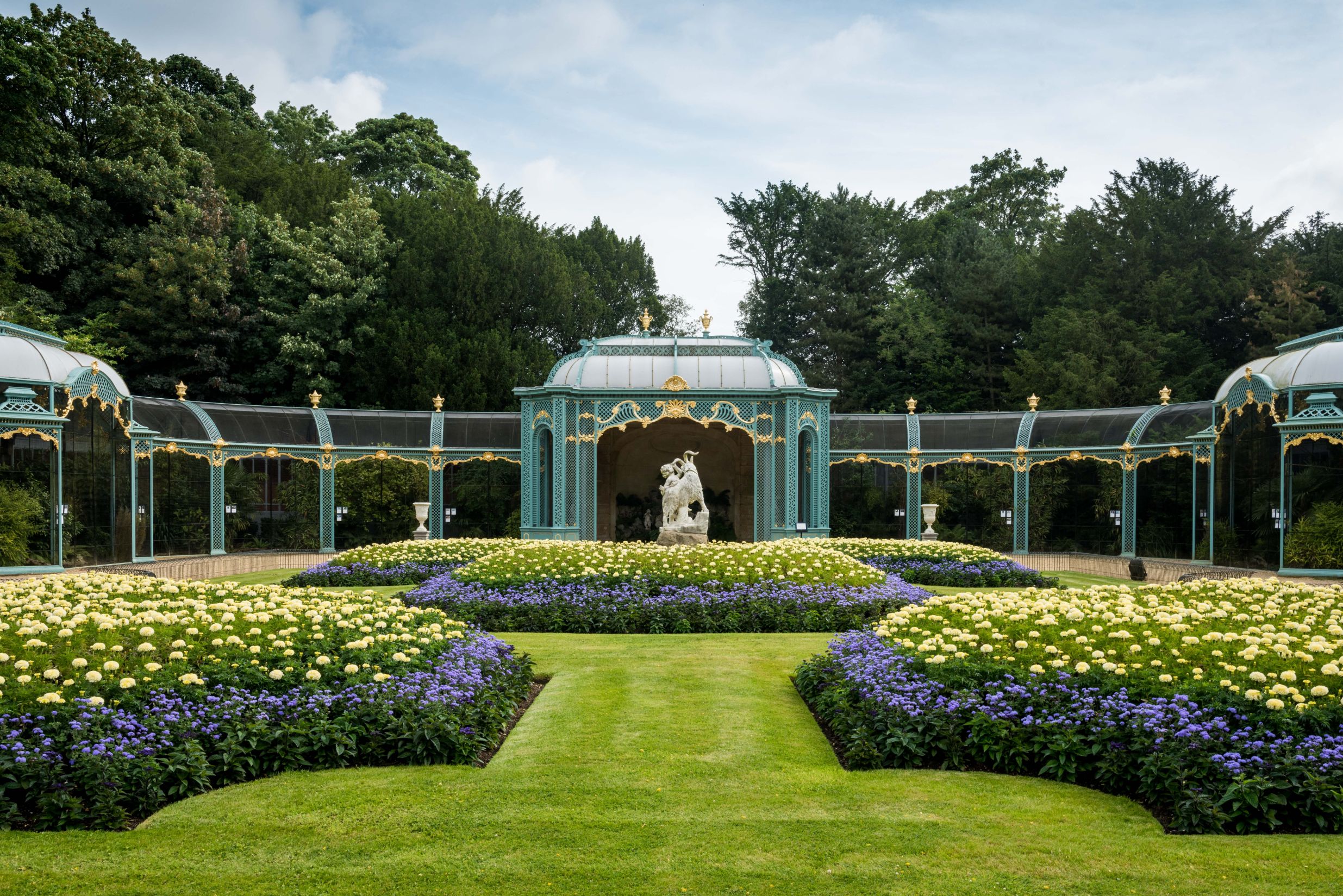
Once a must-see for Baron Ferdinand’s guests in the 1890s, our beautiful Aviary now supports vital conservation for endangered birds.
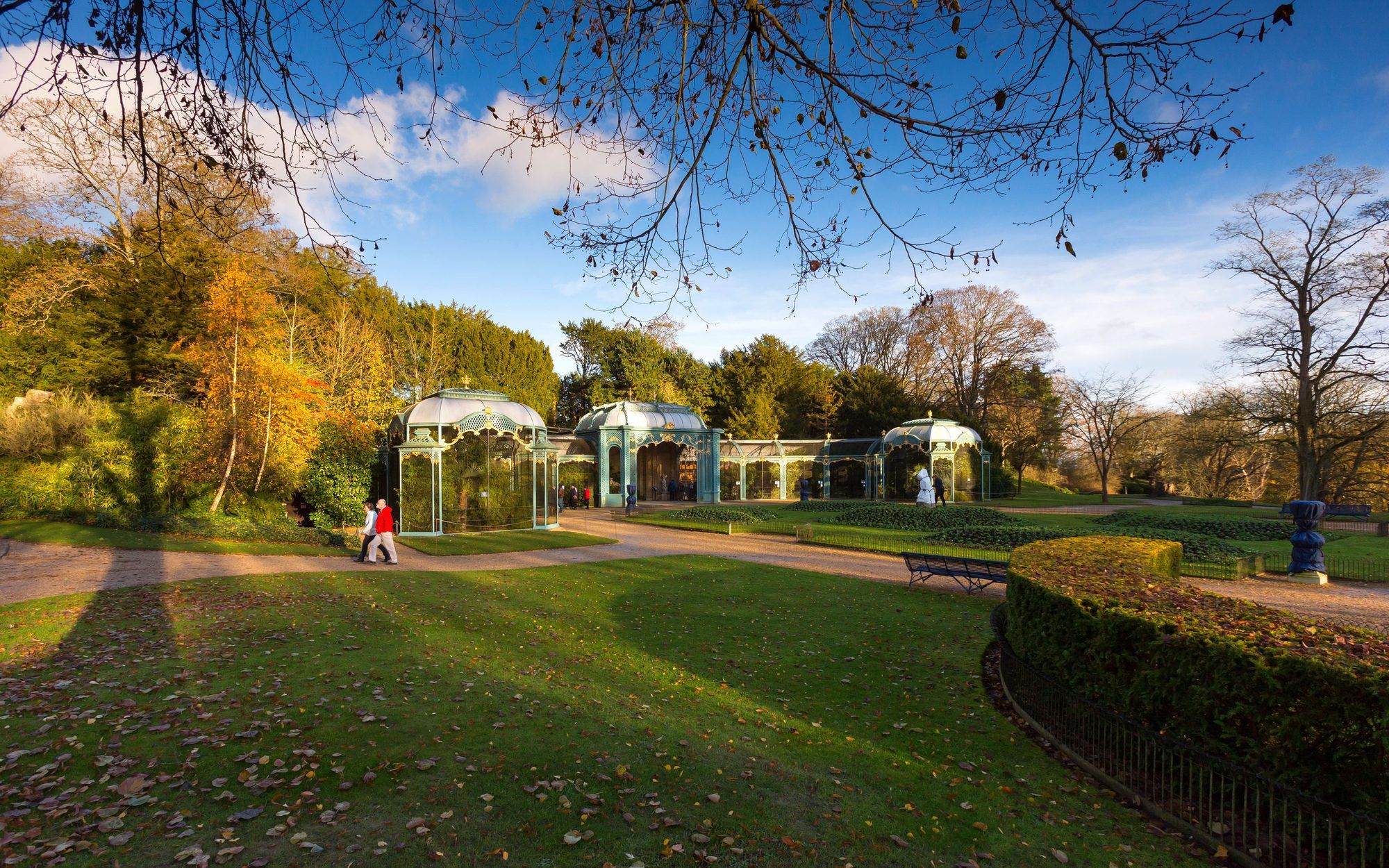
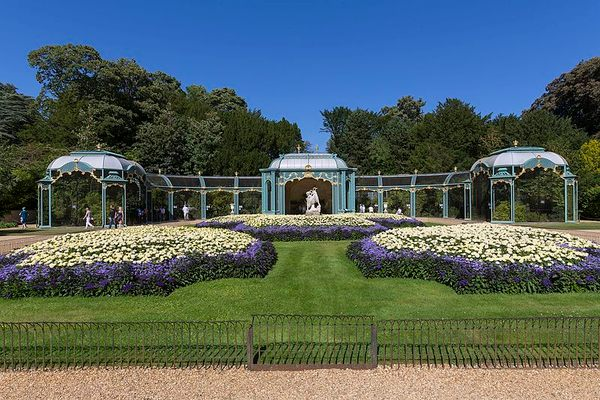
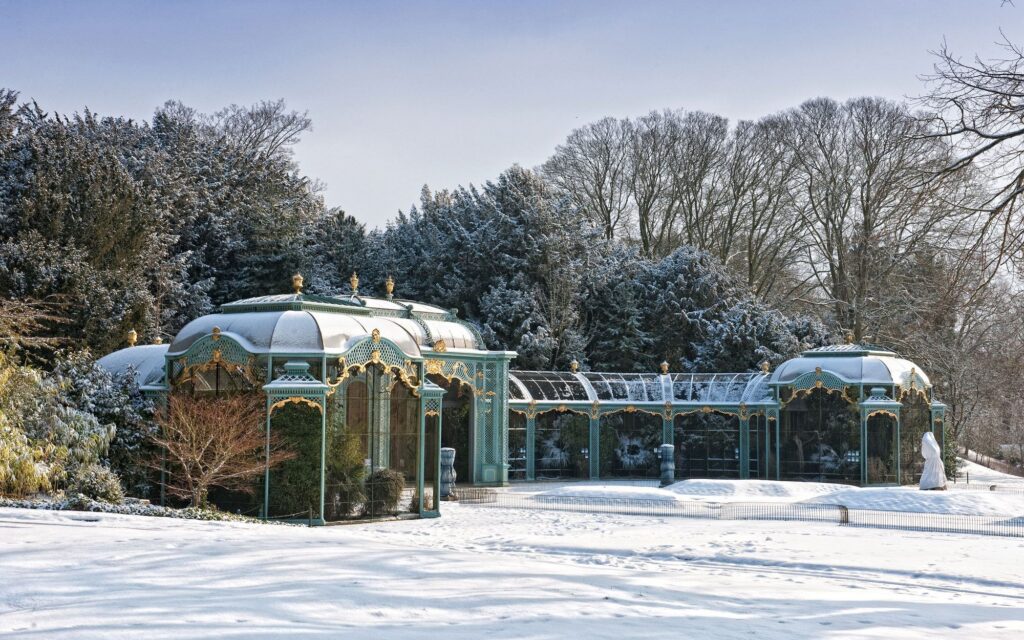
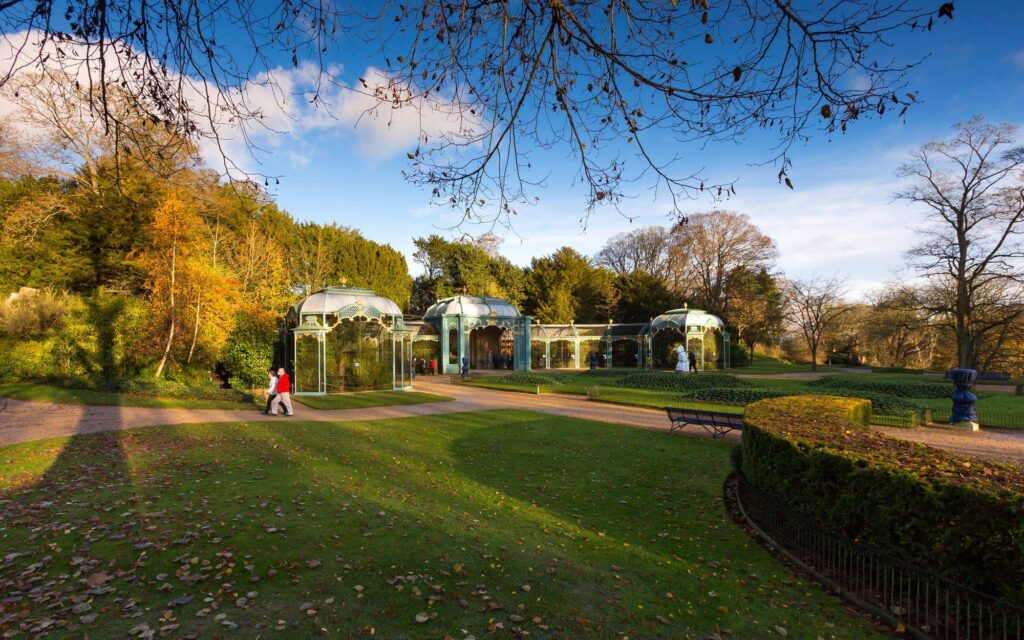
Built in 1889 and inspired by Versailles, Waddesdon Manor’s cast-iron Aviary continued a centuries-old tradition of showcasing exotic birds to display wealth, power and knowledge.
Free with Grounds admission.
Baron Ferdinand was particularly fond of the birds, who would come to the front of their enclosures to be fed with treats by him. His sister, Alice, continued this tradition. Their interest in birds can also be seen in the house on the exceptional Sèvres porcelain dinner service painted with hundreds of colourful birds (Razumovsky Room, first floor) and the collection of Sèvres vases assembled by Alice, which were painted by the factory’s best bird painter.
Walter, second Lord Rothschild (1868-1937), was a famous zoologist who formed the
largest collection of animal and bird specimens in private hands. He displayed these in a
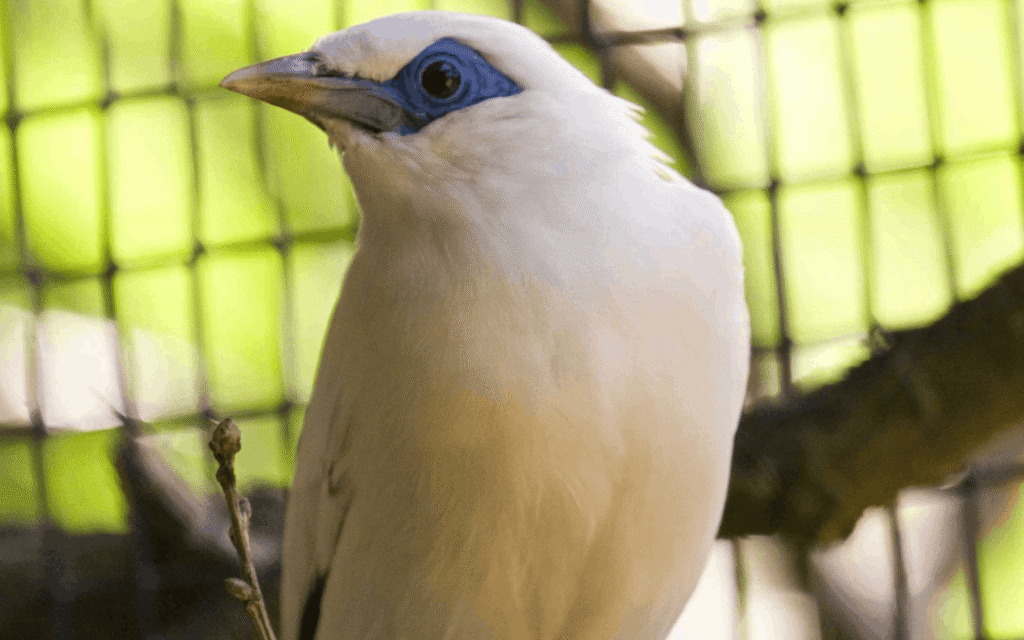
purpose-built museum on his estate at Tring (still open today). The Rothschild mynah
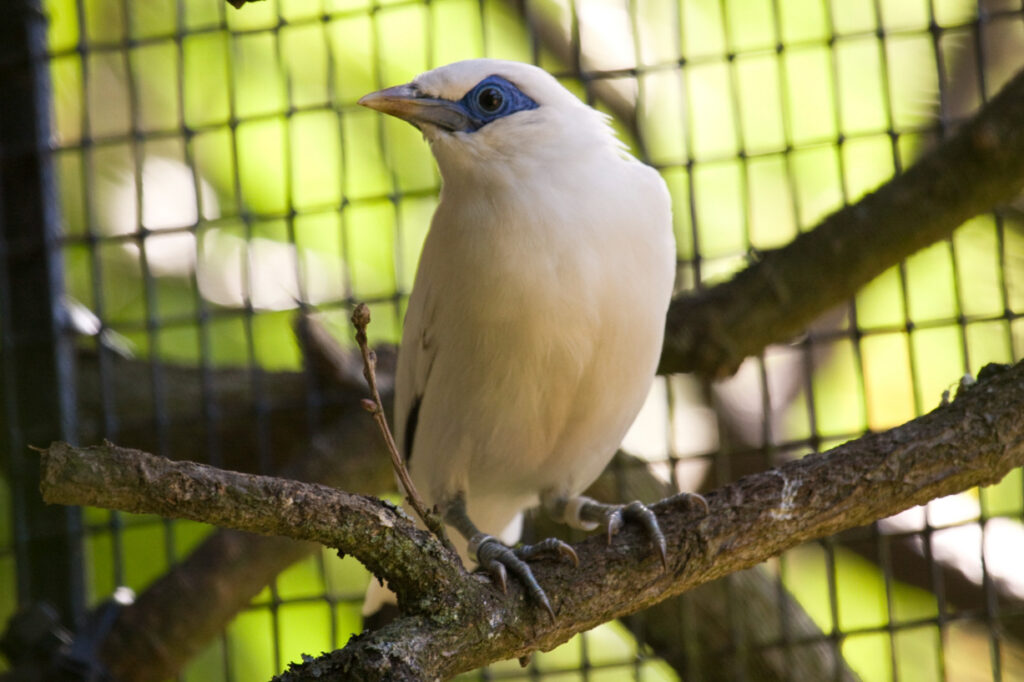
(Leucopsar rothschildi), a snowy white bird with a startling blue eye mask native to Bali,
was named for him.
The numbers of Rothschild mynah in the wild fell to just six birds in 2001. In 2011, four
females bred at Waddesdon Manor were sent to Bali to improve the gene pool. Another 2 chicks were hatched at Waddesdon Manor in May 2016.
Around one third of the species in the Aviary are at risk of extinction to some degree. Many are from Indonesia, where the wild birds are threatened by the rapid rate of deforestation and the illegal trade in cage-birds. Waddesdon participates in captive breeding programmes with the aim of reintroducing birds into their native habitat. This is supported by donations collected from the Aviary grotto.
A Year in the Life
At the Aviary
See what happens in our Aviary over the course of a year, from new baby birds hatching to keeping aviary cages neat and tidy.
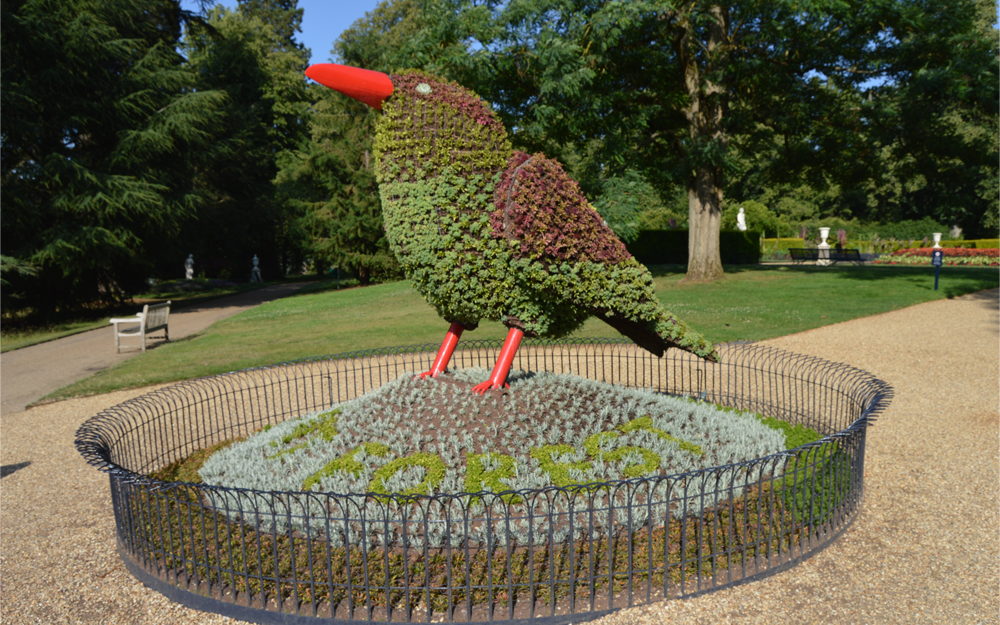
December
All of the aviaries inside shelters have timed lighting that dims in the evening to simulate sunset, which gives the birds an extra few hours to feed and sufficient time to roost. This is important with the cold dark night’s drawing in.
January
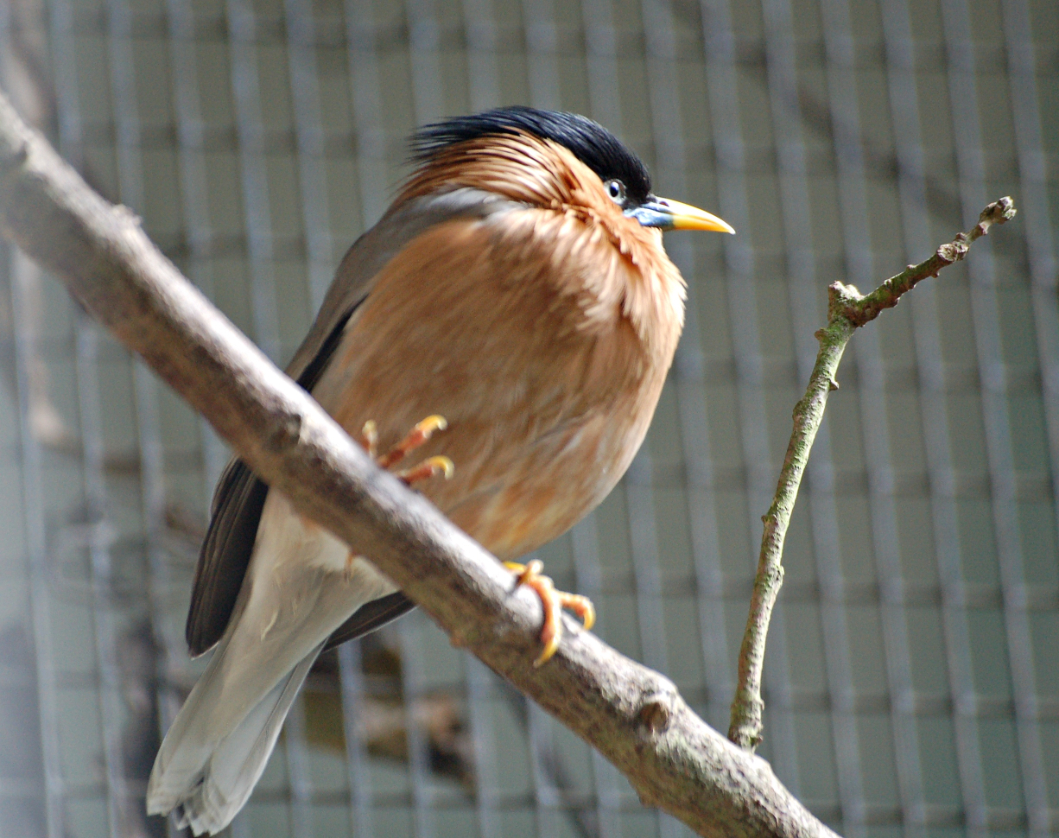
With short days and potentially cold nights, we ensure that some of the more sensitive birds are using their heated indoor houses to roost. Many of the species in the Aviary are found in cooler montane regions of the tropics, and as they are all bred in captivity in Europe, they are acclimatised to the UK weather. When sub-zero temperatures are predicted, the more sensitive species from lowland forests, such as the hood pitta, will be shut inside overnight to ensure they are warm and safe.
February
The Aviary team will spend a lot of time at the beginning of the year getting young birds paired up, either within the collection or by transferring to other zoos in Europe, ready for the approaching breeding season.
March
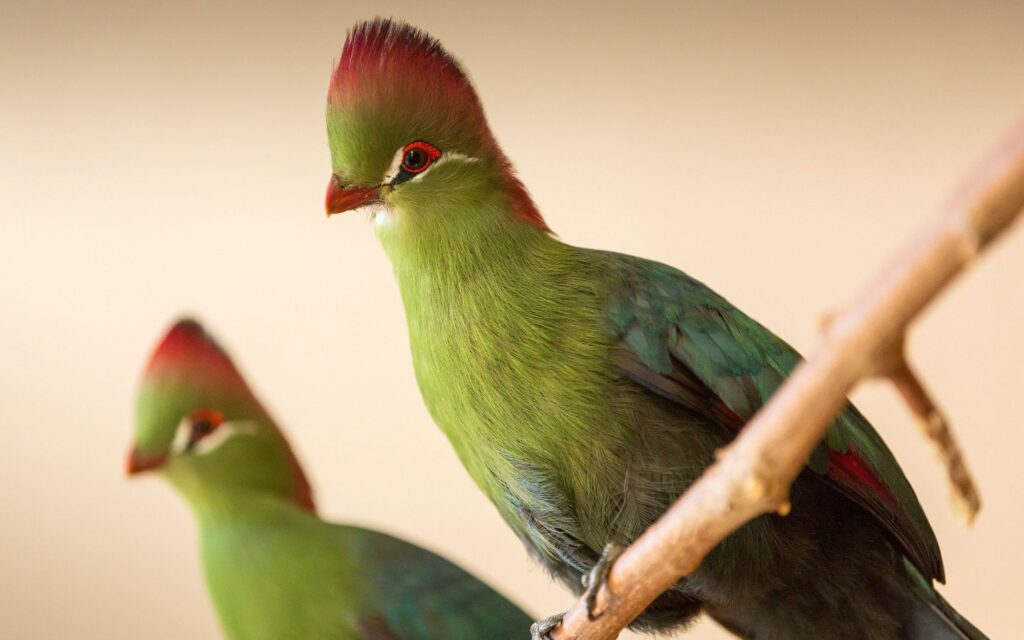
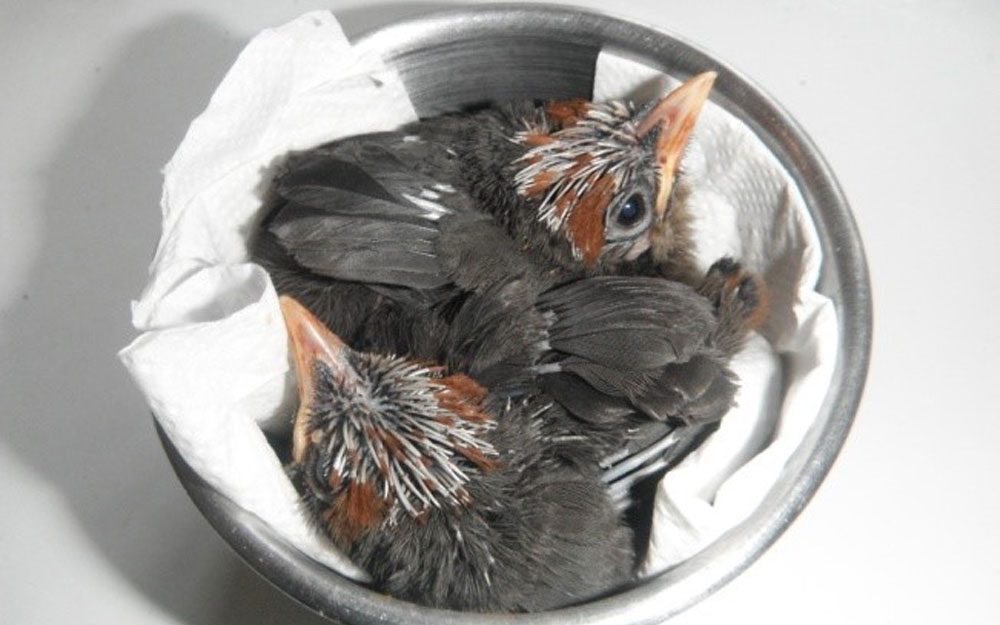
With the start of the breeding season, the spectacled laughingthrush will be one of the first species nest building. This species has recently been upgraded to ‘Near Threatened’ status. Before Easter, the top layer of substrate in all the aviaries is removed and replaced with fresh mix and mulch, which prevents parasites building up in the soil, and helps to maintain a healthy bird population. The whole structure of the aviary is checked for damage and the metalwork and gold leaf are carefully cleaned.
April
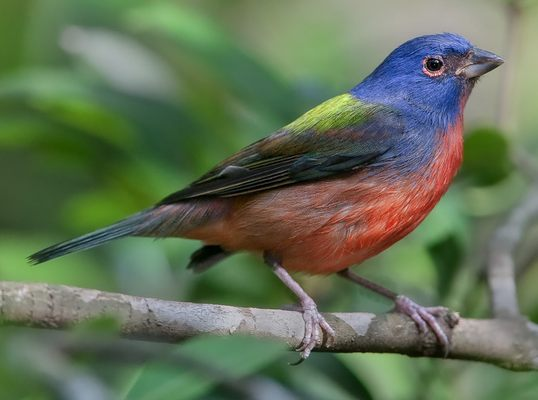
Depending on the weather, many of the birds in the Aviary will be starting courtship and nesting. The team starts to encourage this behaviour by increasing live food variety and adding nest sites and nesting material in the aviaries. Species like the collared-hill partridge and Rothschild’s peacock-pheasant will be some of the first to lay eggs.
May
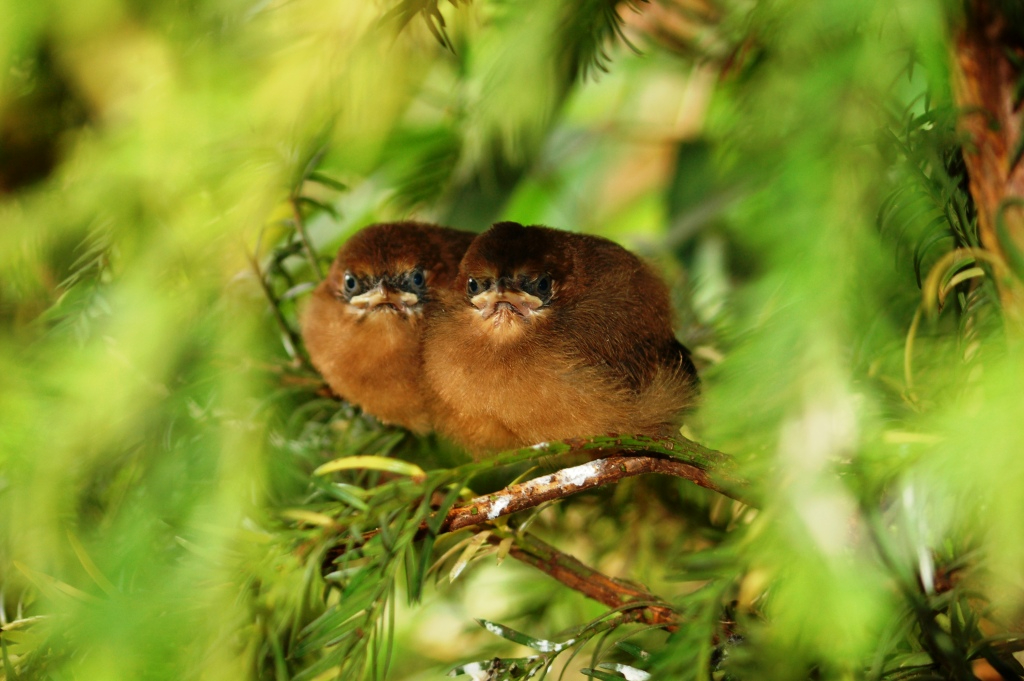
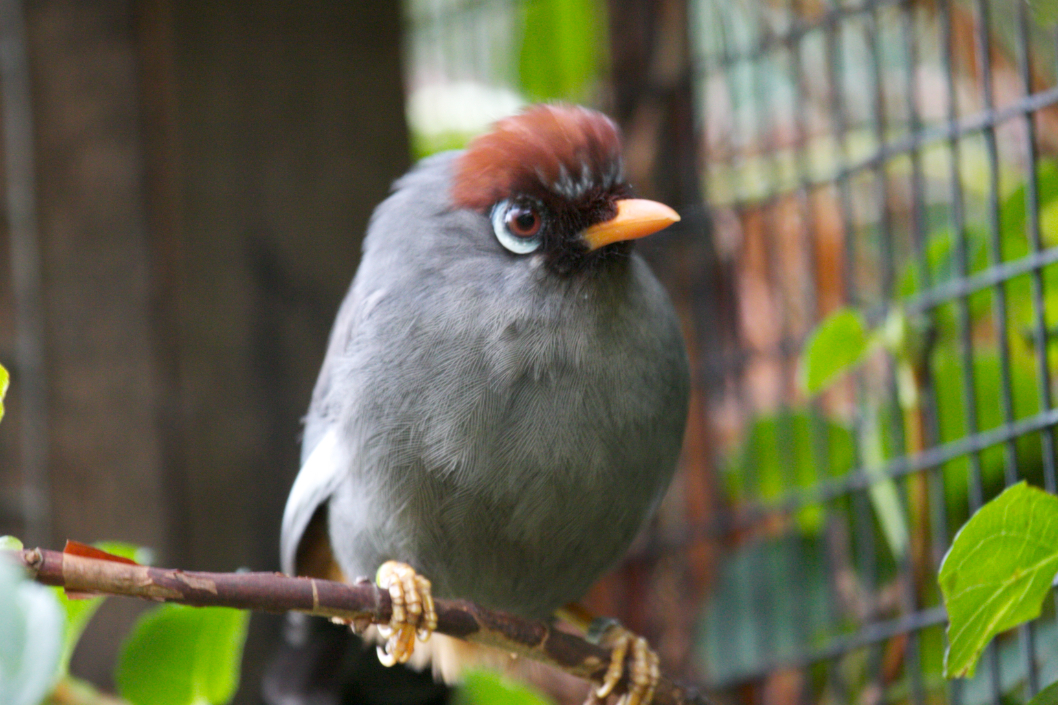
The busiest months for the Aviary are just beginning. The critically endangered, bluecrowned laughing thrush pairs will have started nest building and will often have chicks hatching. Once pairs start feeding chicks, the Aviary team will place live food at regular intervals throughout the day to ensure the birds have a plentiful supply to feed their chicks.
June
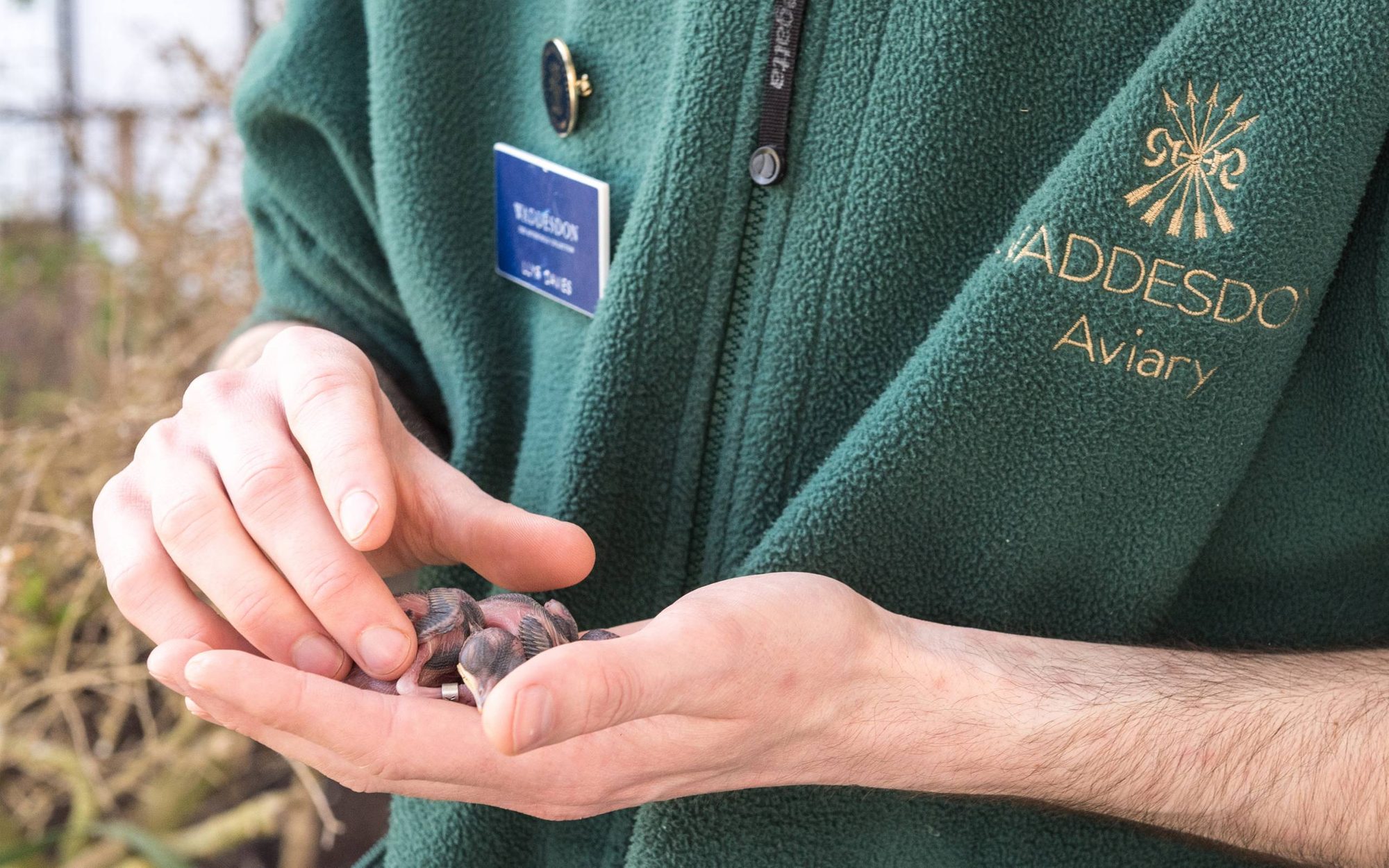
Now in the height of the breeding season, most of the birds will be nesting; some pairs will be on their second clutch of eggs. The team will be busy ensuring pairs have enough food to feed their chicks, closely monitoring what is happening in nests, checking eggs for fertility in incubators and busy hand-rearing chicks.
July
Chicks being hand-reared will be fed every hour 6am to 11pm.
August
This is still a very busy month with the final wave of breeding. The team will discuss which species they still need to encourage to breed and work out ways in which to achieve this.
September
The end of the breeding season is upon us; the majority of chicks will have fledged and be on their way to independence. With many of the pairs finished breeding for the year, they will start their annual molt, replacing worn feathers with bright new ones.
October
With Autumn well underway, the Aviary team gathers fallen leaves and places them into the aviaries for enrichment. The birds will spend a lot of time foraging, turning leaves looking for insects as they would in the wild.
November
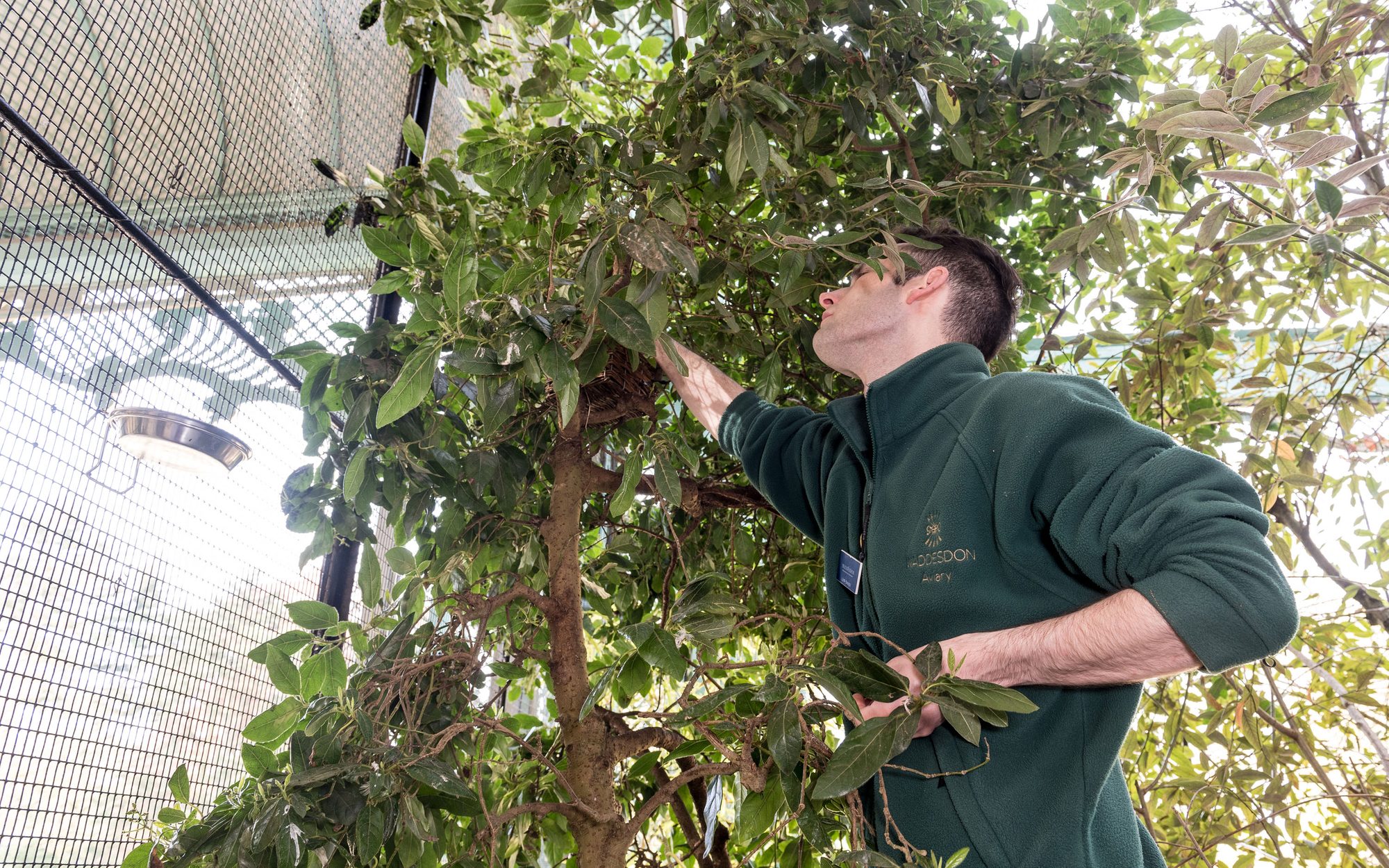
Nest sites will be removed to ensure birds are not attempting to breed when temperatures start to drop. Although it is important that the aviaries are densely planted to encourage breeding and ensure the birds feel secure, the aviary plants will be carefully pruned to allow visitors to see the fantastic species within and provide the birds with plenty of areas to sunbathe.