
History of the gardens
Created at the end of the 19th century, the gardens are the vision of Baron Ferdinand de Rothschild, designed to make the most of the landscape and views, with a vista or point of interest at every turn.
The design was a pioneering example of the new taste for greater colour in tree and shrub planting that was becoming fashionable. It also echoed the French character of the house with formal terraces and an elaborate parterre, planted with colourful bedding twice a year. During Waddesdon’s heyday there were around sixty gardeners working in the gardens, a number that remained much the same until after the First World War. Fountains and sculpture, largely French and Italian, also played an important role, as did splendid specimen trees. There were also outcrops of artificial Pulham rockwork, some of them housing a flock of mountain sheep.
Waddesdon’s Lost Glasshouses
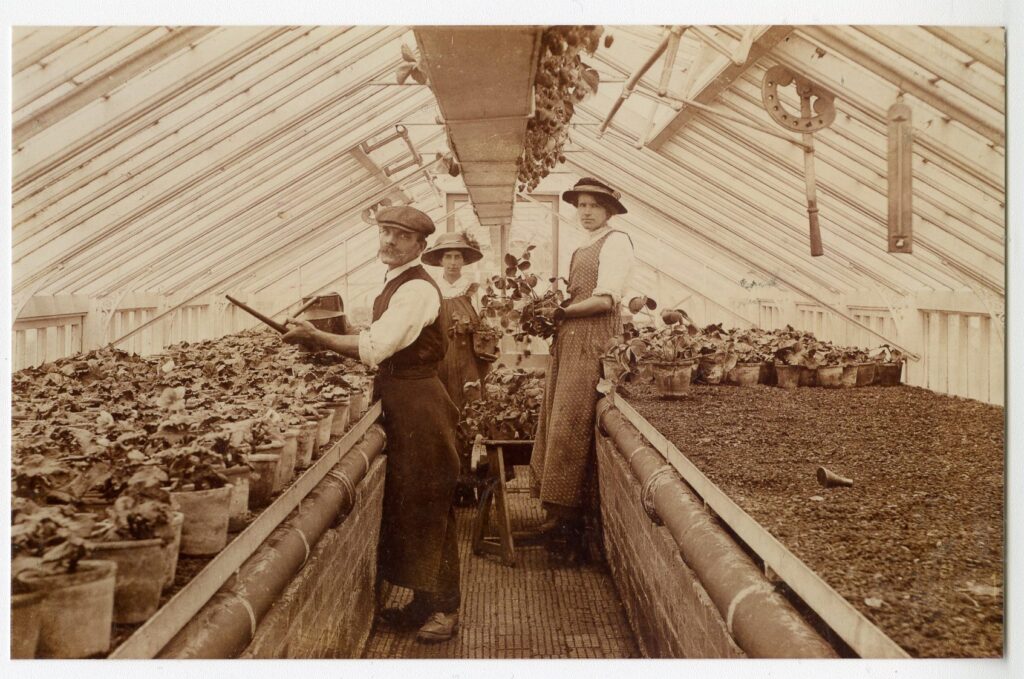
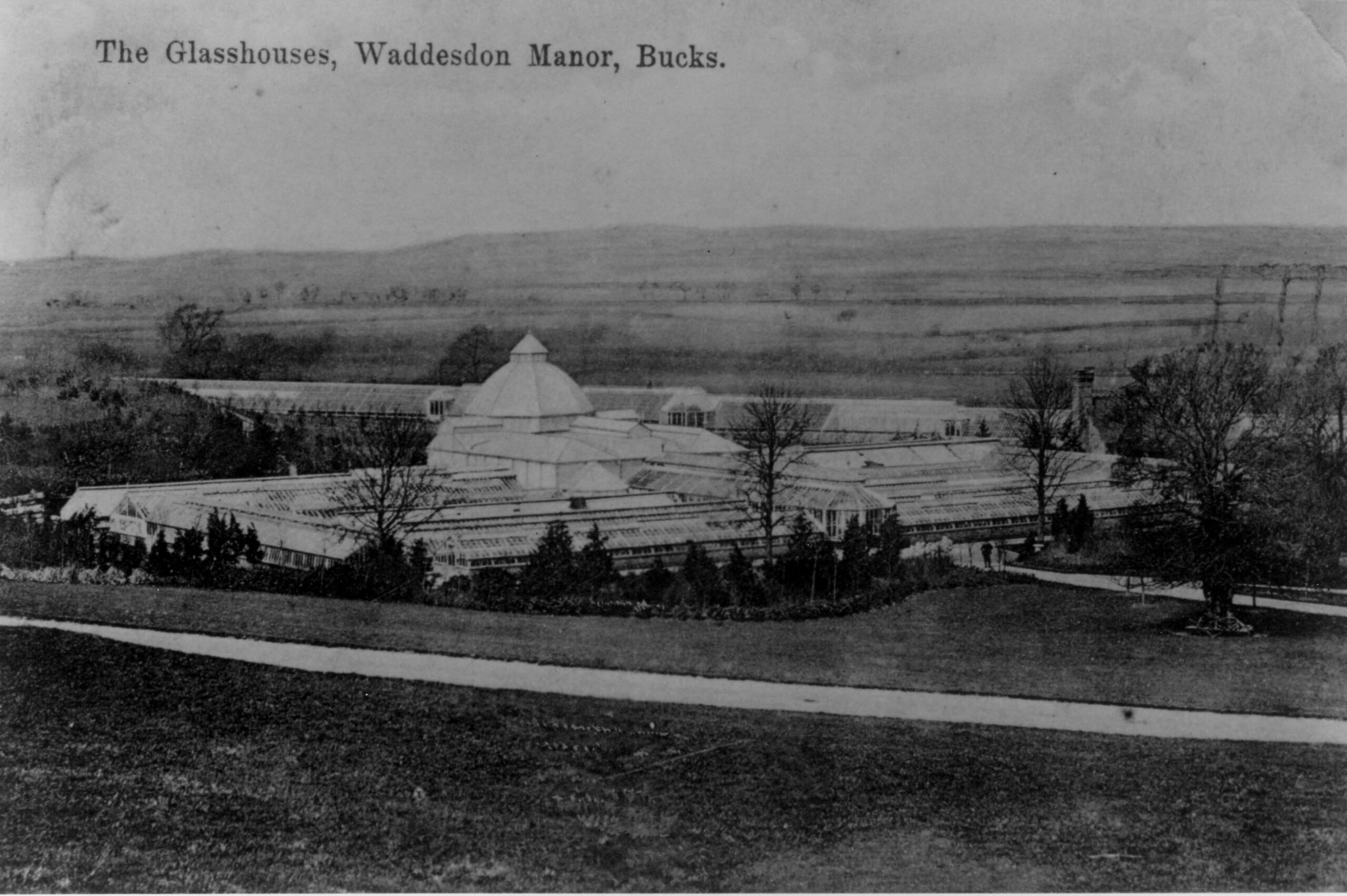
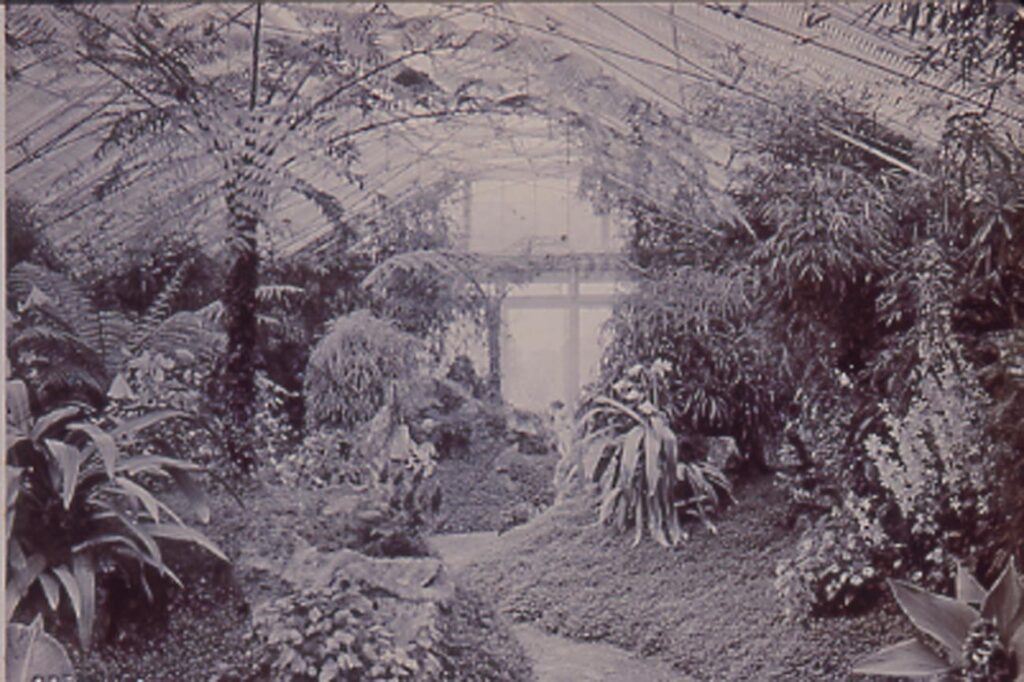
Baron Ferdinand’s famous ‘Saturday to Monday’ house parties often included a visit to Waddesdon’s glasshouses, which stood below the stables. Built by Victorian manufacturer R. Halliday & Co., the complex once formed an impressive horticultural display. The main structure, known as ‘Top Glass’, consisted of fifty compartments centred on a large domed Palm house filled with rockwork, an underground cavern, palms and ferns.
Nearby, approached through flowering borders known as “Paradise” stretched the 400-foot Fruit Range, a vast lean-to glasshouse divided into nine sections dedicated to cherries, figs, grapes, peaches, vines and strawberries. Beyond this lay an extensive kitchen garden, hidden from visitors, where further soft fruit and a wide range of vegetables were cultivated.
During the First World War, food shortages led Waddesdon to sell surplus produce to the public for the first time, and the glasshouses and gardens gradually evolved into a small market garden enterprise supplying local shops and even Covent Garden Market.
After James de Rothschild’s death in 1957, operations were reduced. His widow, Dorothy, moved to the nearby Eythrope Pavilion, taking some of the staff with her. The remaining glasshouses eventually fell into disuse and were demolished in the 1970s, leaving only photographs and memories of their former grandeur.
Three Dimensional Carpet Bedding
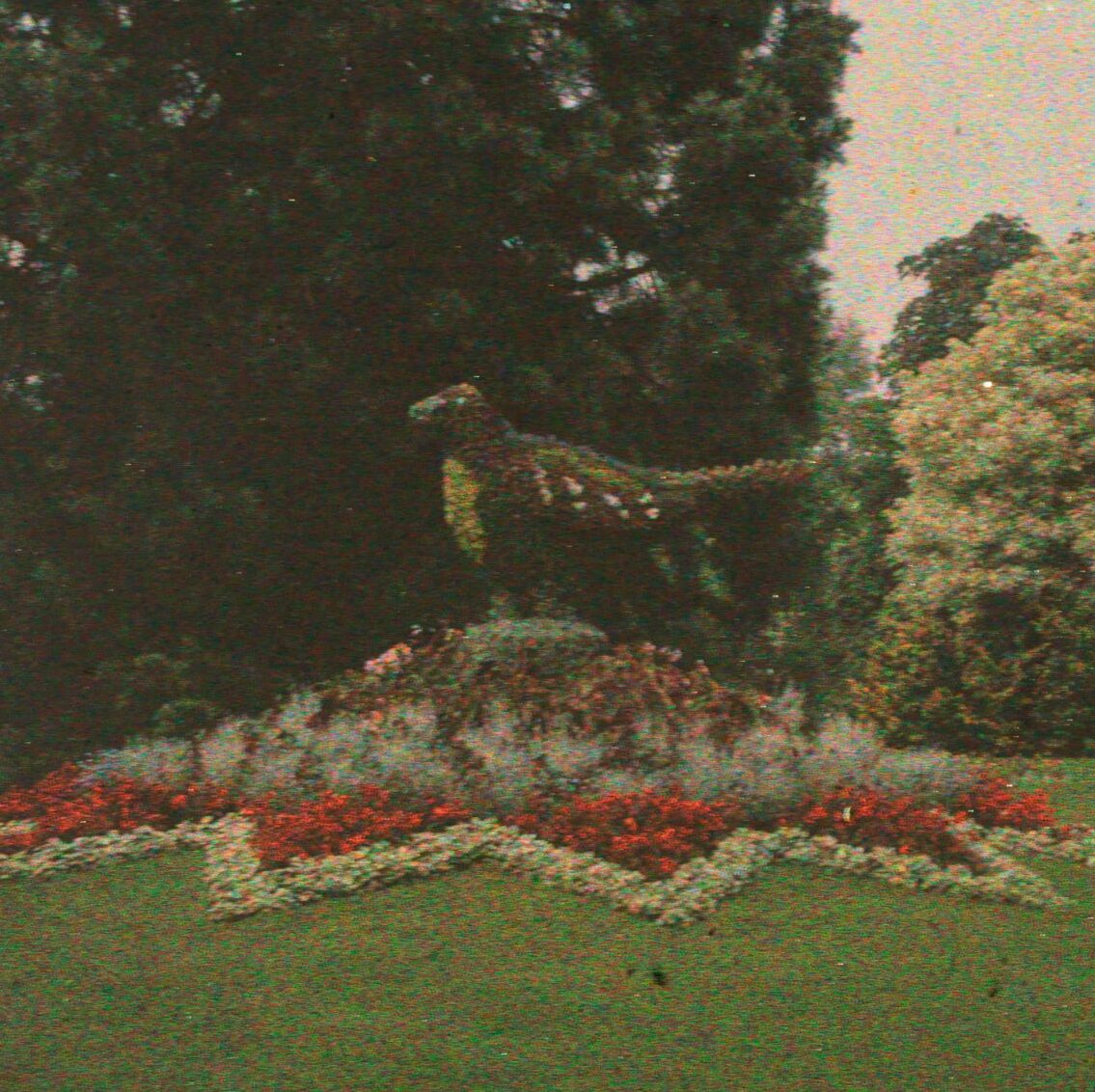
Traditional carpet bedding on a flat surface has fascinated people for more than a century. Here at Waddesdon, however, the Rothschilds pioneered the idea of three-dimensional bedding, or sculpture using plants.
It was Miss Alice de Rothschild who first introduced a three-dimensional basket around 1900 at her house on the estate at Eythrope. The form became popular, and sculptural bedding was quickly adopted in parks and public gardens.
Traditional carpet bedding on a flat surface has fascinated people for more than a century. Here at Waddesdon, however, the Rothschilds pioneered the idea of three-dimensional bedding, or sculpture using plants.
It was Miss Alice de Rothschild who first introduced a three-dimensional basket around 1900 at her house on the estate at Eythrope. The form became popular, and sculptural bedding was quickly adopted in parks and public gardens.
The Aviary
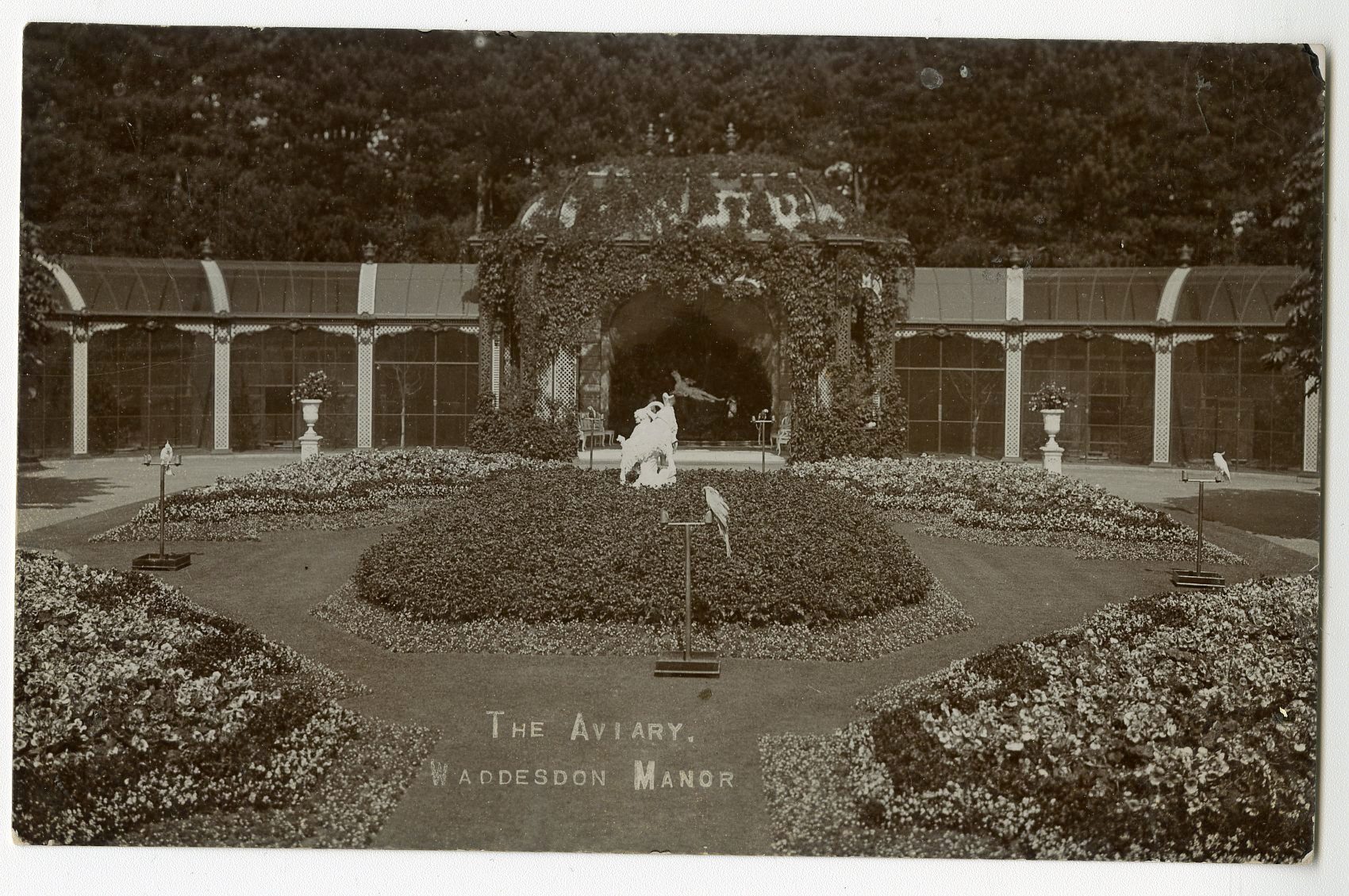
A visit to the Aviary was an important part of a visit to the Manor for house party guests. Visitors would be taken to see the birds which were taken out an set on perches to be fed. Like other members of his family, Ferdinand had a keen interest in the natural world. His cousin Walter at Tring amassed one of the largest collections of natural history specimens at the time, and his museum can still be visited today.
The Aviary was made of cast iron in an 18th-century Rococo style, with indoor enclosures and outdoor flights for its inhabitants. These included rare species including macaws, ibis and peacock pheasants. Alice maintained the Aviary and added to its collections. Today, it is a registered zoo and continues the important conservation work, breeding threatened and endangered species to support the gene pool and populations in the wild.
Pulham Rock
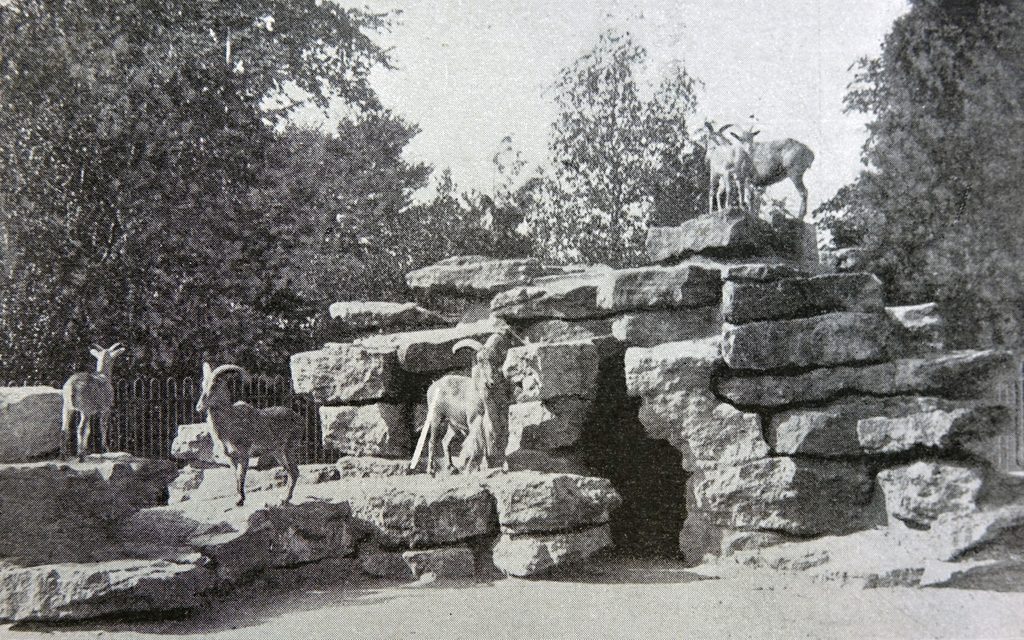
Much of Waddesdon’s dramatic rockwork is artificial, created by the renowned 19th-century firm James Pulham & Son. Their work, designed to imitate natural crags, outcrops and grottoes, formed a key part of Baron Ferdinand de Rothschild’s transformation of the estate after purchasing it in 1874. Using natural stone alongside their distinctive Pulhamite – a cement applied over rubble and brick – the firm created extensive features across the grounds. Payments recorded from 1877 into the 1890s show the significant scale of their commission.
Some of the earliest work was on the North Front, where spoil from the construction of the Manor was shaped into banks and rocky outcrops. A hidden tunnel within this rockwork concealed a large water tank for the house. The area even briefly housed part of Ferdinand’s menagerie, including Barbary sheep.
Further rockwork was added below the Stables, using stone reportedly imported from Gloucester to create a striking enclosure for goats, described at the time as a novelty.
“An additional attraction was some Russian sheep [sic], their home, which was certainly a novelty, containing boulders forming miniature mountains with recesses, into which the animals crept from the gaze of the sightseers”
Pulham’s most impressive work at Waddesdon was the extensive Rock Garden beside the ornamental Dairy. Covering a quarter of an acre, it featured ponds, bridges, grotto-like paths and elaborate planting pockets.
Gardeners
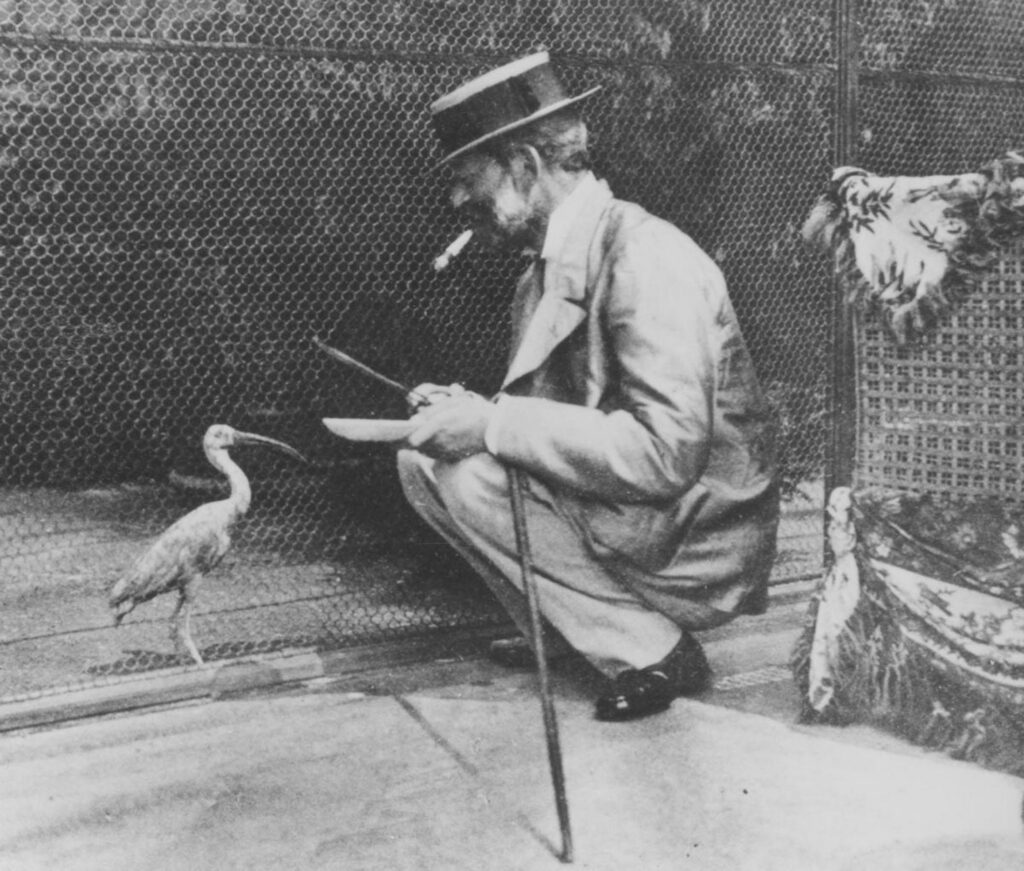
Ferdinand inherited his love of gardens from his mother, Charlotte, and described how when he was a child, he and his siblings were all given a little plot of their own to plant out as they wished.
“Point to an oak or a maple and he will tell you precisely when it was planted, whence it was transplanted or wither it shall be moved in the autumn.’ or “Waddesdon is a marvellous creation; a real creation….a vast chateau built by its present owner, surrounded by endless gardens planned by him, and towering over a big park reclaimed from agricultural meadows by our host”
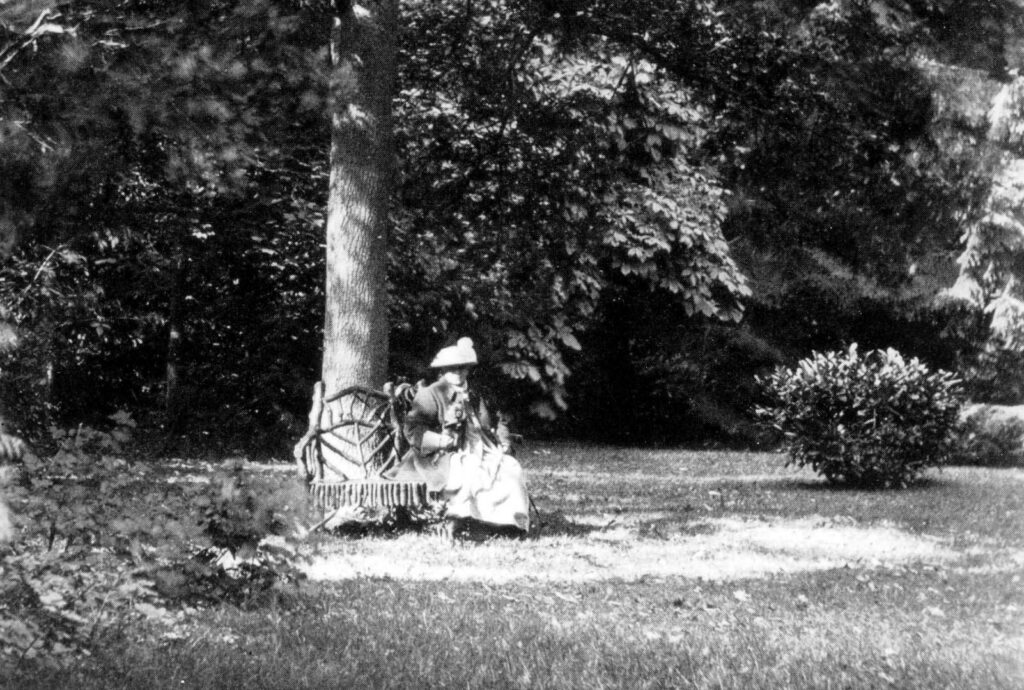
Alice inherited Waddesdon from her brother Ferdinand in 1898. She had a great passion for gardening, carrying a weeding tool with her everywhere. She pioneered new techniques to be used at Waddesdon, such as the recently invented concept of 3D carpet bedding.
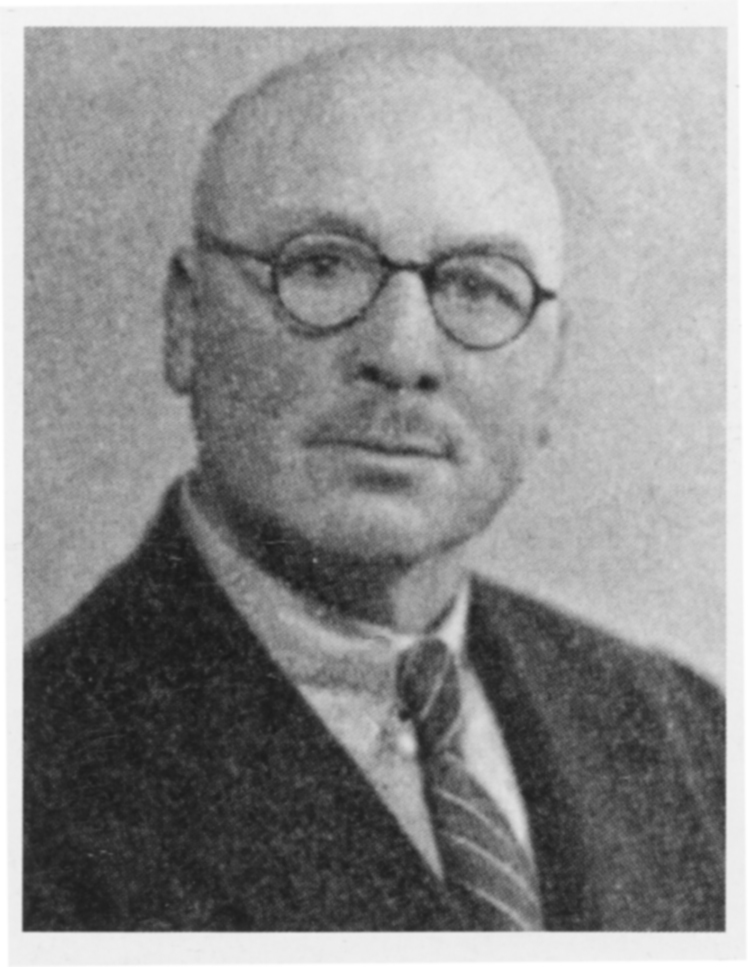
George Frederick Johnson served as Waddesdon’s Head Gardener from 1905 to 1954, working closely with Miss Alice de Rothschild through detailed correspondence. His long tenure spanned the First World War, during which he helped maintain the gardens despite staff shortages, earning a reputation for dedication, intelligence and meticulous horticultural management.