The Rothschild Family at Waddesdon Manor
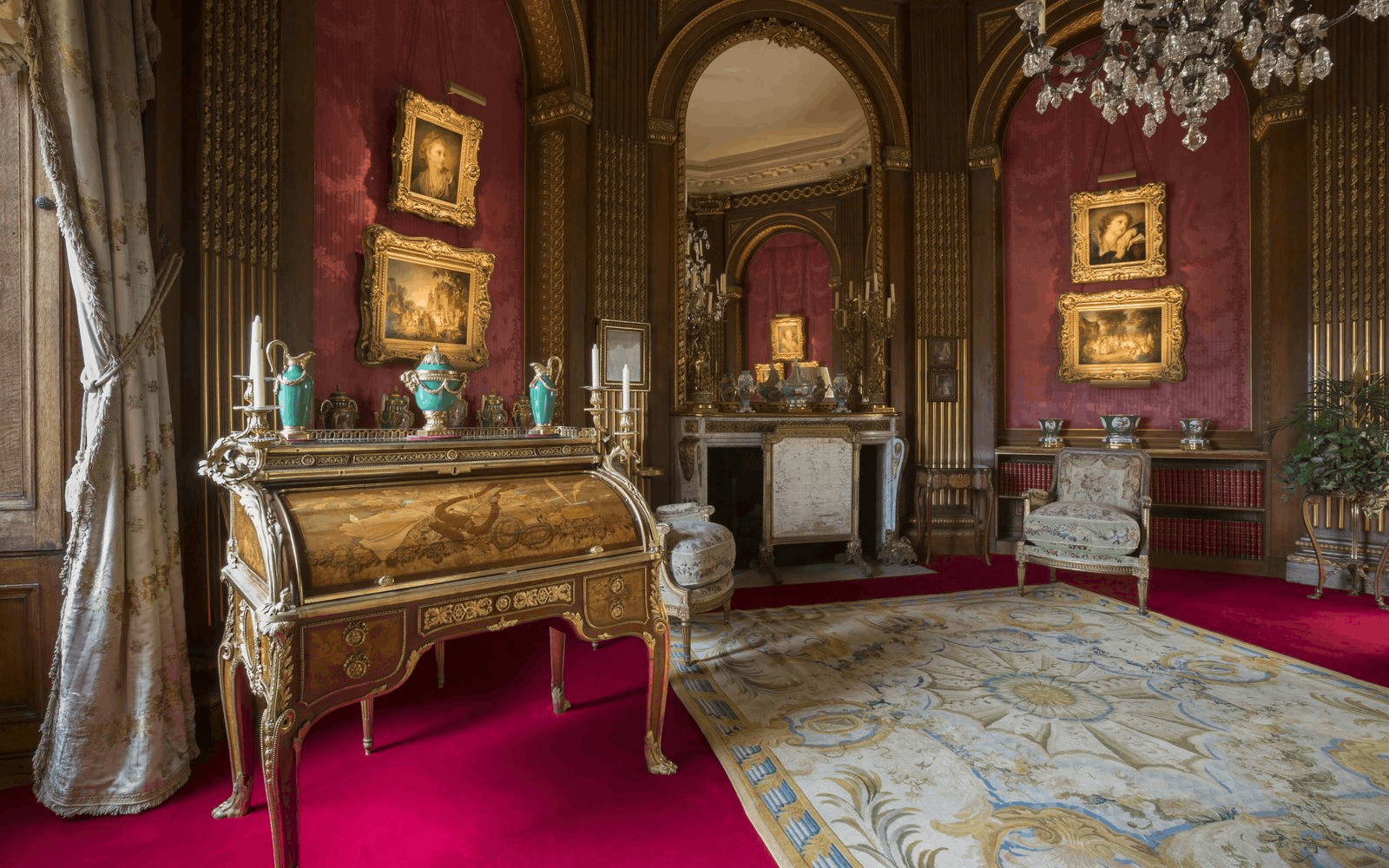
Waddesdon Manor was built by Ferdinand de Rothschild between 1874 and 1883 to display his collection of art and to entertain his friends. It is now open to the public and welcomes thousands of visitors annually who come to appreciate its exceptional architecture, art collections and gardens.
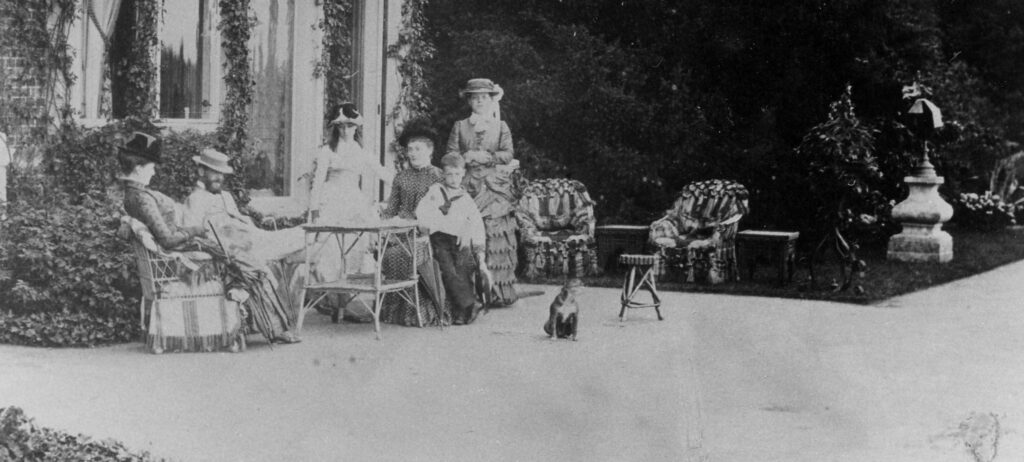
Ferdinand wanted a country house to escape to from London in the summer months and entertain family and friends during weekend house parties. He knew the Vale of Aylesbury well because other family members had already settled there. It was sometimes referred to as ‘Rothschildshire’.
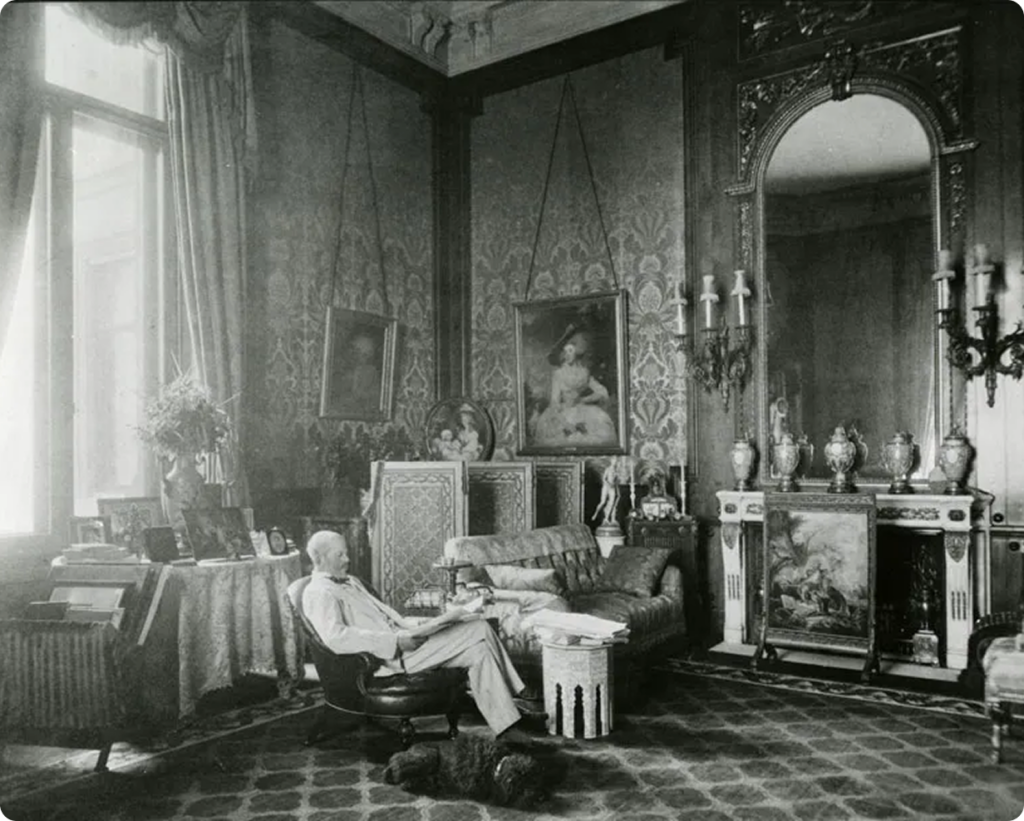
Ferdinand was born in Paris on 17 December 1839. By this time, the Rothschild family was well established across Europe with branches in Austria and Italy as well as France, England and Germany. Raised in Frankfurt and Vienna, with an Austrian father, Anselm and English mother, Charlotte, he developed a deep and lifelong passion for art at an early age. He began collecting at 21 and advised family members on their own acquisitions.
In 1860, he settled permanently in England and soon married his cousin Evelina Rothschild. Her death in childbirth in 1866 profoundly shaped his life; his sister, Alice, later joined him in England and became his close companion.
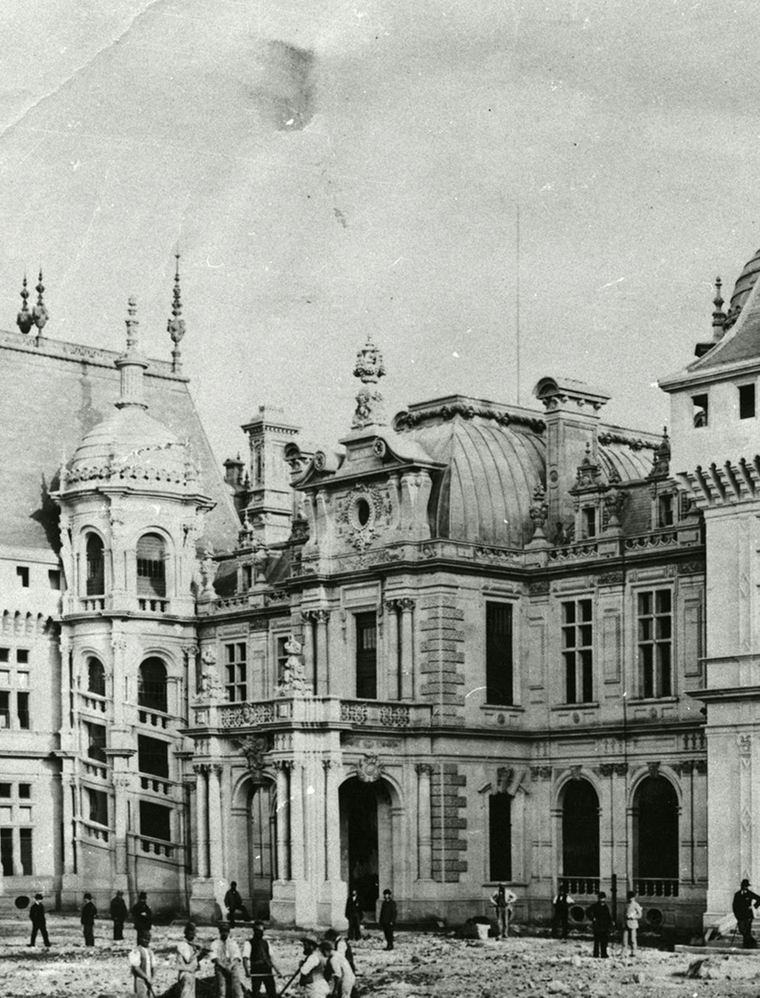
Ferdinand realised his dream of creating a country estate when he came into his inheritance on his father Anselm’s death in 1874. He immediately bought the 2,700-acre Waddesdon estate and, working with architect Gabriel-Hippolyte Destailleur and garden designer Elie Lainé, built Waddesdon Manor – a spectacular French Renaissance-style house. Constructed with remarkable speed between 1877 and 1883, it combined technological innovation, including running water, central heating and, later, electricity, with theatrical hospitality. Waddesdon became famous for its house parties, where royalty, politicians and intellectuals mingled amidst superb art collections with lavish dining and modern comfort. The gardens were as opulent as the house and included a working Aviary, huge ranges of glasshouses and an ornamental Dairy.
Alongside his cultural pursuits, Ferdinand was active in public life, serving as Liberal MP for Aylesbury from 1885. A historian and writer as well as a collector, he published essays on art, literature and 18th-century France; his memoir Reminiscences is his most personal work. He was also a leading figure in the Jewish community.
Each year, he hosted the “Baron’s Treat” at the Manora fête for villagers and local schoolchildren. This was one of many charitable and community activities which he supported.
Ferdinand died suddenly of heart failure at Waddesdon on his 59th birthday in 1898. Having no children, he left the estate and its collections to his sister Alice.
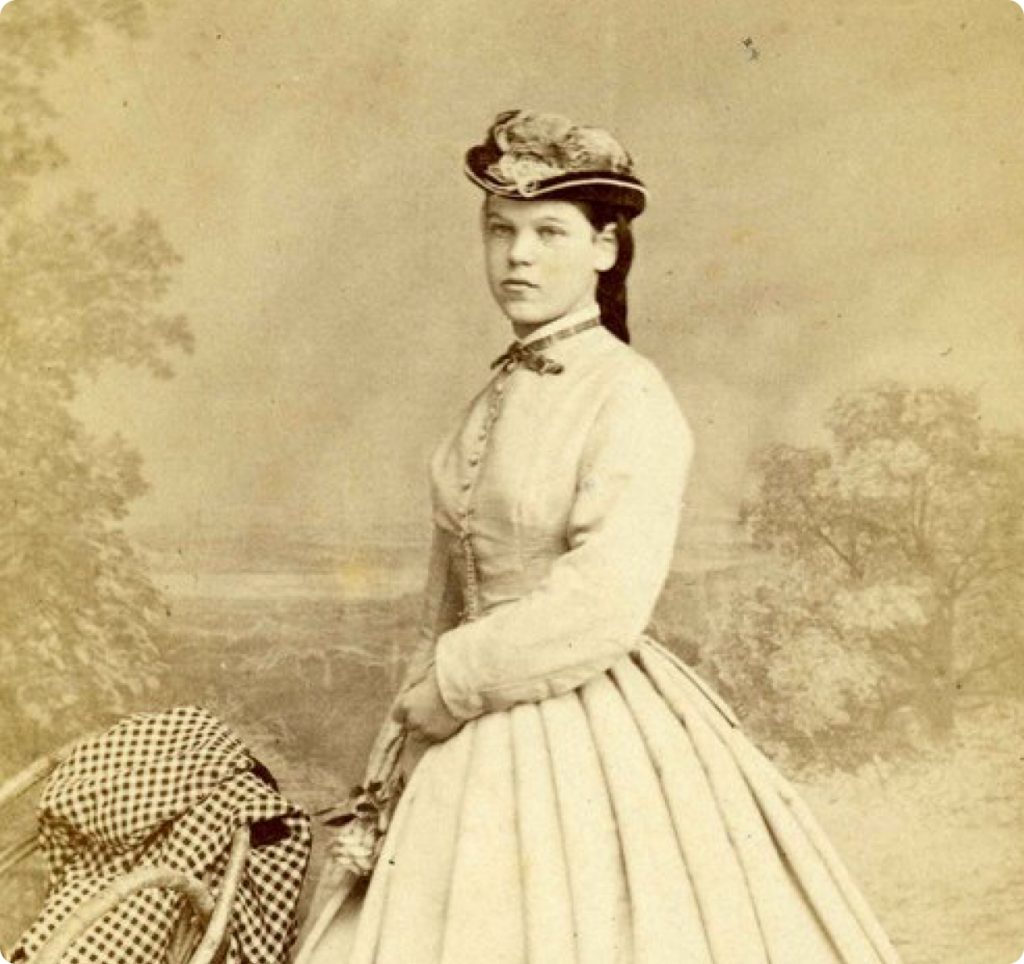
Alice was Ferdinand’s youngest sister and was born in Frankfurt in 1847. After the death of her mother, she moved between relatives across Europe, developing a strong, independent character and choosing never to marry. She joined Ferdinand in England following the death of his wife Evelina in 1866, becoming his close companion, living next door to him on Picadilly and often acting as hostess in London and at Waddesdon.
In 1875, Alice bought the neighbouring Eythrope estate. Here, her exceptional horticultural skill flourished. She transformed the neglected grounds into a 60-acre pleasure garden filled with roses, intricate carpet bedding and formal layouts, and even remodelled the River Thame to form a lake complete with a steam launch to take guests to her Tea House. Her extensive correspondence with her head gardener reveals her meticulous attention to every detail.
Alice was also a passionate and knowledgeable collector. Her tastes centred on Renaissance works, 18th-century French art and Sèvres porcelain, but she uniquely collected more everyday objects such as pipes and matchboxes, as well as 16th- and 17th-century arms and armour. Her collections were displayed at Eythrope and Waddesdon, where she had a bedroom and sitting room. Today, her arms and armour can be seen in the Bachelors’ Wing corridor.
When Ferdinand died in 1898, he left Waddesdon Manor and its contents to Alice. Although she added considerably to the collections, she did not make great changes to the layout of the house. She brought all her horticultural skills to bear on the garden, which reached its peak in her time. She also developed a a rigorous set of standards for the care and preservation of the collections. These principles continue to underpin the stewardship of Waddesdon’s collections today.
Alice died in 1922, leaving the Waddesdon estate to her great-nephew James.
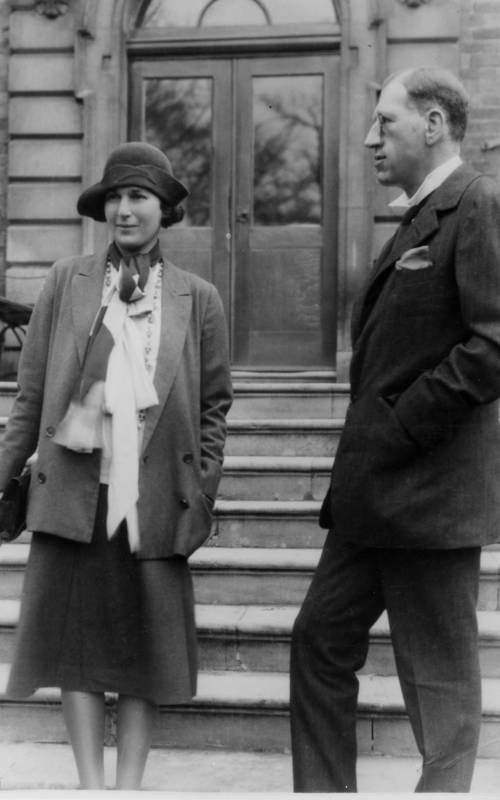
James, born in Paris in 1878, was from the French branch of the Rothschild family, the eldest son of Baron Edmond and Baroness Adelheid. Educated at Cambridge, he married an English wife, Dorothy Pinto (born 1895) and settled in England, serving in World War I and II. Like his great-uncle Ferdinand before him, James combined a public career with a deep commitment to Jewish affairs. He served as Liberal MP for the Isle of Ely from 1929 and was actively involved in supporting early Jewish settlements in Palestine, an initiative begun by his father.
Although he and his wife, Dorothy, were not major collectors themselves, Waddesdon’s collections grew significantly when James inherited a third of his father Edmond’s celebrated collection. He was also passionate about horseracing and established a stud on the estate in 1923. Golf was another enthusiasm and he and Dorothy extended the golf course created by Alice.
During the Second World War, James and Dorothy oversaw the temporary transformation of Waddesdon into a refuge for 100 evacuee children, marking the only time the house was lived in by children. As the horrors of the Holocaust in Nazi Germany began to unfold, they were key supporters of the Kindertransport and gave a home to 21 children from a Frankfurt orphanage in a house in the village called The Cedars.
With no heirs, James chose to secure Waddesdon’s long-term future by bequeathing the house, key collections, and surrounding grounds to the National Trust in 1957, along with a major endowment to ensure its preservation
After James’s death, Dorothy played a central role in shaping Waddesdon’s modern identity. She oversaw its opening to the public in 1959 and served as chair of the management committee for nearly 30 years, guiding the Manor through changes in display and conservation. She also continued to support family causes in Israel, including the building of the Knesset (parliament) and Supreme Court. Her dedication ensured that Waddesdon remained both meticulously cared for and accessible to visitors until her death in 1988.
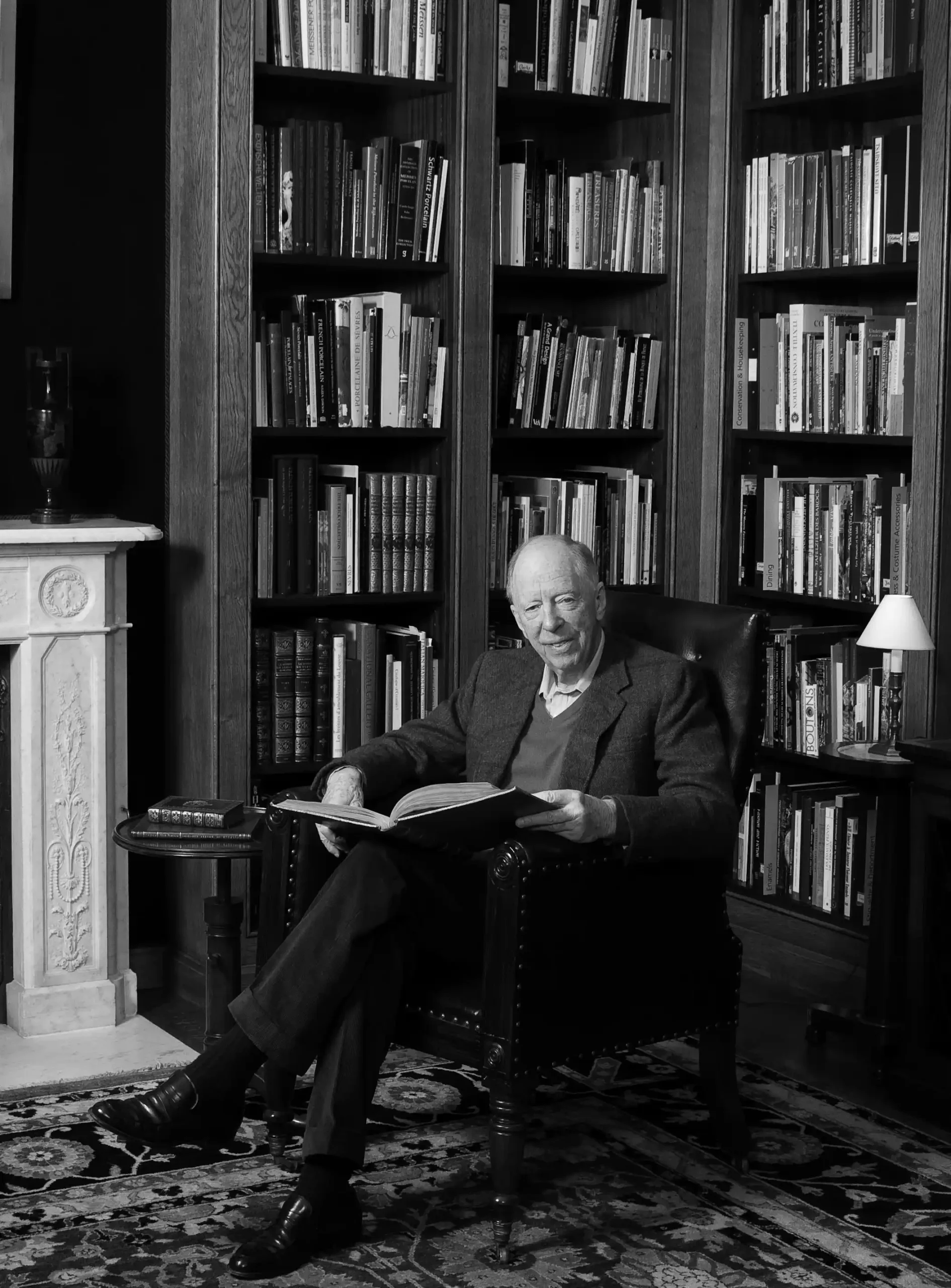
Born in 1936 into the English branch of the Rothschild family, the eldest son of Victor, 3rd Lord Rothschild, Jacob was educated at Eton and Christ Church, Oxford. He became one of Britain’s most influential cultural philanthropists and financiers, known for his leadership in the arts and heritage. He married Serena Dunn in 1961, and they had four children and nine grandchildren. He inherited the interest in managing Waddesdon from his cousin Dorothy in 1988 and in the 1990s began a comprehensive and pioneering restoration of the entire house and its services. The Manor closed in 1990 and reopened in stages from 1995, transformed by a meticulous conservation project that set new standards for historic house care.
Already established as a central figure in the art world, Jacob brought his own vision and creativity to Waddesdon. He oversaw the restoration of the gardens as well as the Manor, transformed the Dairy into a wedding and events venue, and created the Coach House Gallery at the Stables. He was passionate about contemporary architecture and commissioned the acclaimed Windmill Hill archive complex and the contemporary Flint House, cementing Waddesdon’s reputation as a centre for both heritage and modern creativity.
As Chairman of the National Gallery, and the first Chairman of the National Heritage Memorial Fund, he established the Rothschild Foundation in 2010 and played a major role in shaping cultural life nationally and internationally. His work combined scholarship, ambition and generosity, ensuring that art and heritage remained accessible to the public and he was awarded the Order of Merit in 2002 in recognition of his contribution.
He continued the Rothschild family tradition of philanthropy and community involvement at Waddesdon, supporting major conservation projects, acquisitions and educational programmes. Under his leadership, the estate entered a new phase of innovation and relevance while remaining faithful to the legacy of Ferdinand and Alice.
Jacob Rothschild died in 2024. His eldest daughter Dame Hannah Rothschild is now Chair of the Rothschild Foundation, continuing the work he loved and ensuring that his vision for Waddesdon’s future lives on.
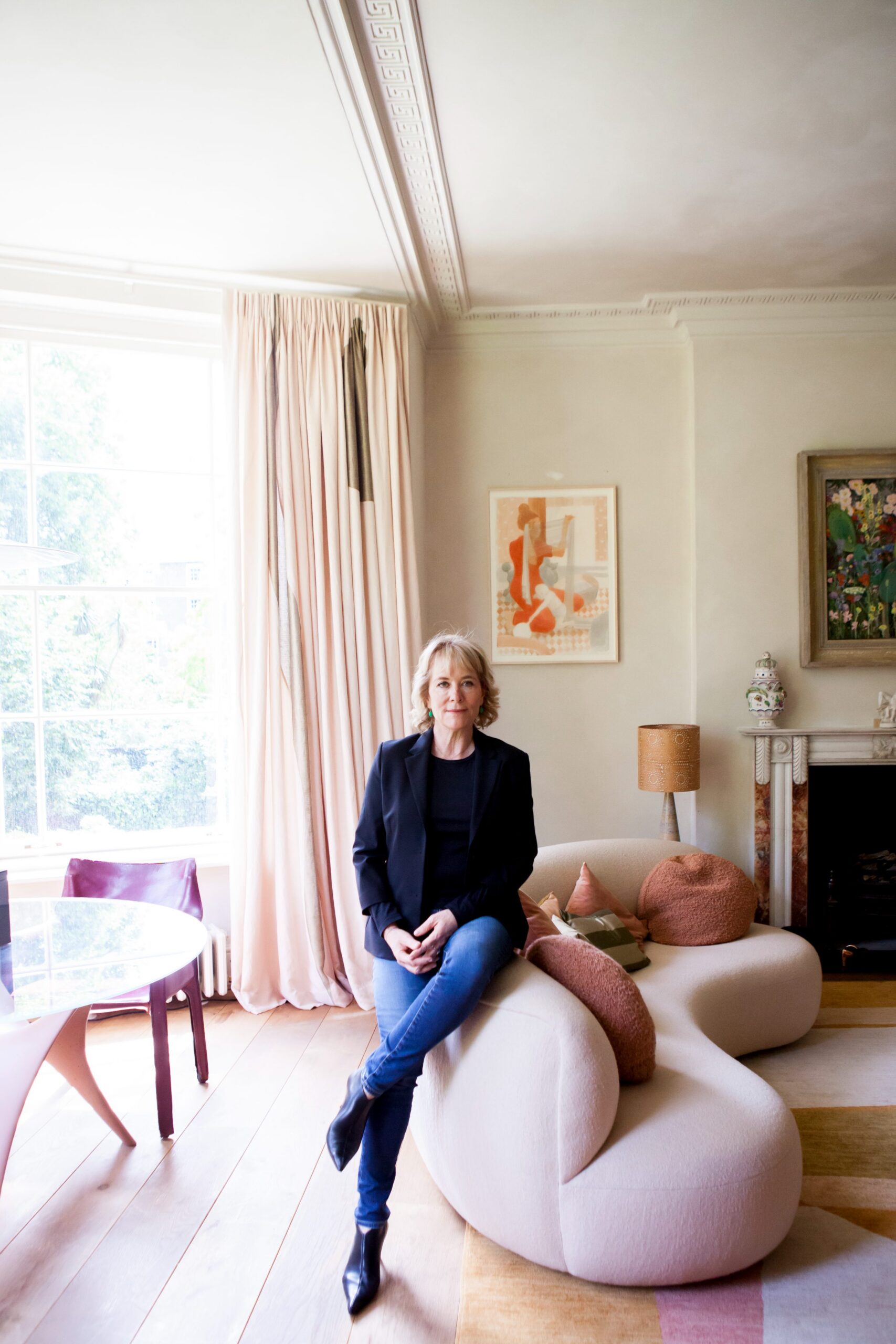
Hannah took over from her father as Chair of the Rothschild Foundation and responsible for the management of the Manor in 2024. A film-maker, author, business person and philanthropist, she also chairs the family’s charitable foundation in Israel, Yad Hanadiv. She is a staunch supporter of arts and philanthropy. She was a trustee of Tate and masterminded the world’s longest art commission, lighting central London’s bridges. The first woman Chair of Trustees of the National Gallery, she was made a CBE in 2019 and in 2024 was made a Dame in recognition of her contribution to arts, literature and philanthropy.
Today, under her leadership, the Rothschild Foundation supports long term work through its three funding streams. There are focussed on arts and heritage nationally, the Buckinghamshire community and environmental and nature conservation, including food and farming. The Foundation works closely with its grantees and the Manor acts as its flagship reflecting its charitable aims in these areas.
Explore the Extraordinary
Waddesdon Manor is a place like no other – a French Renaissance château, inspired by those in the Loire Valley, built by a Rothschild in the 19th century, and filled with royal treasures and many objects with exceptional stories to tell.