On 8 May 1945, the Allies accepted the German unconditional surrender of its armed forces and the end of the war in Europe. Although the military conflict had ended with VE Day, this did not signal a return to life as it had been for everyone. Here we look at some examples of how wartime activities and disruption continued at Waddesdon:
1.
The Evacuees:
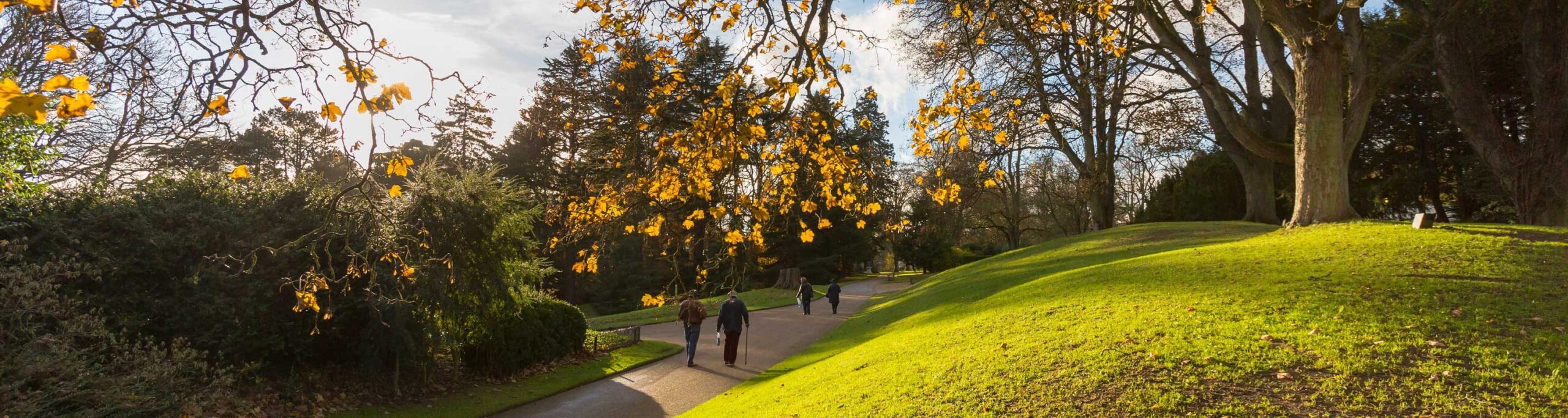
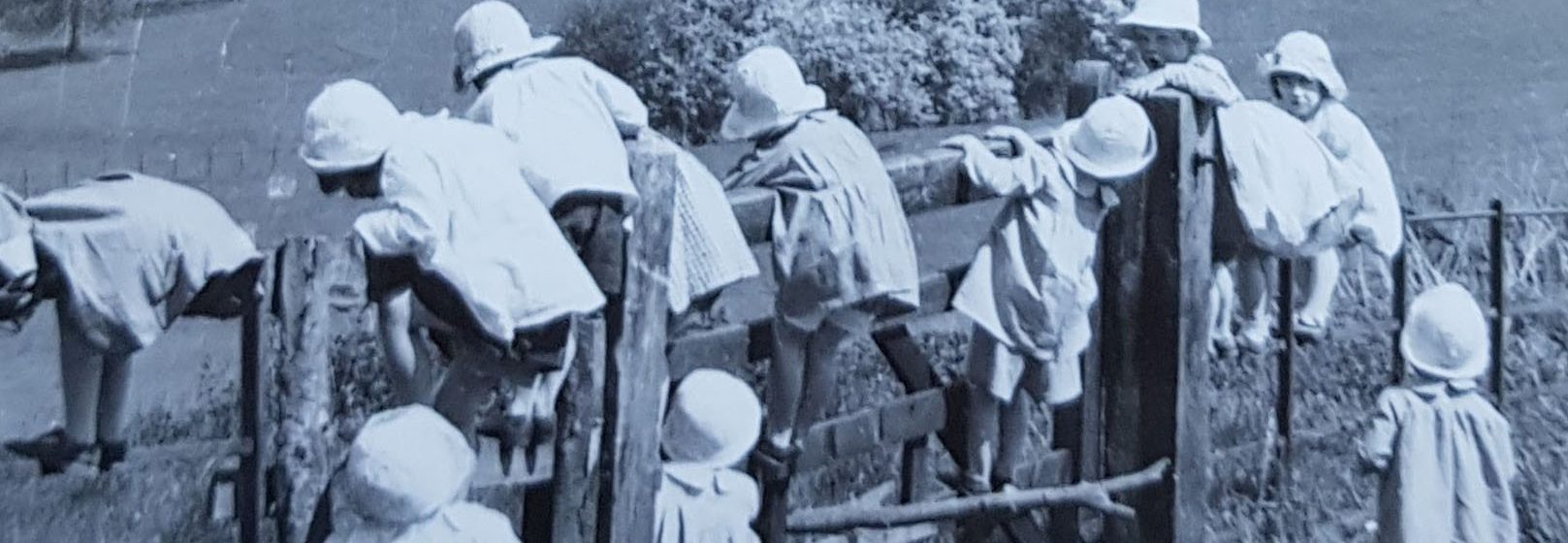
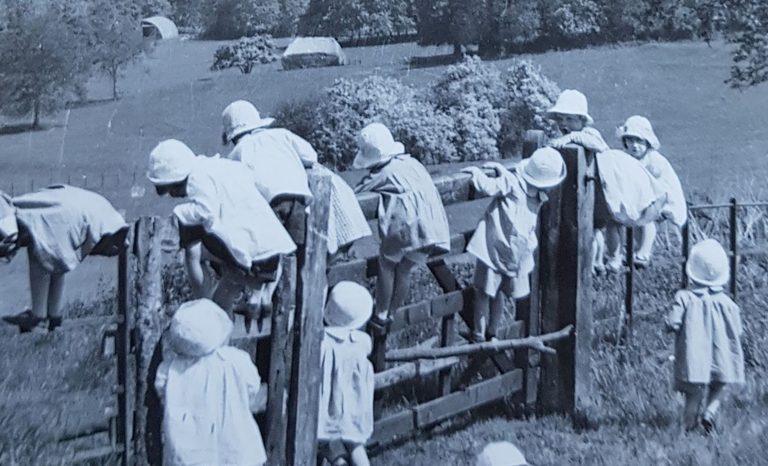
The second group of evacuees to be housed in Waddesdon Manor arrived on 5 November 1942 and stayed until March 1946, some ten months after VE day. Originally from the Columbia Market Nursery School in East London, they had come to Waddesdon from Almalton Hall, near Peterborough. It was a slow process to make arrangements to pack up and leave Waddesdon, the East End was still recovering from the blitz, and it took time for parents to return home from their wartime service. In the meantime, the children continued to walk in the grounds, visit the aviary, and play on the climbing frame built for them at Waddesdon.
Their continued presence meant that James and Dorothy continued to live in the Bachelor’s Wing, the paintings and furniture from the main rooms in the Manor packed away in the basements until late in 1946 when life at Waddesdon started to return to normal.
2.
The Cedar Boys:
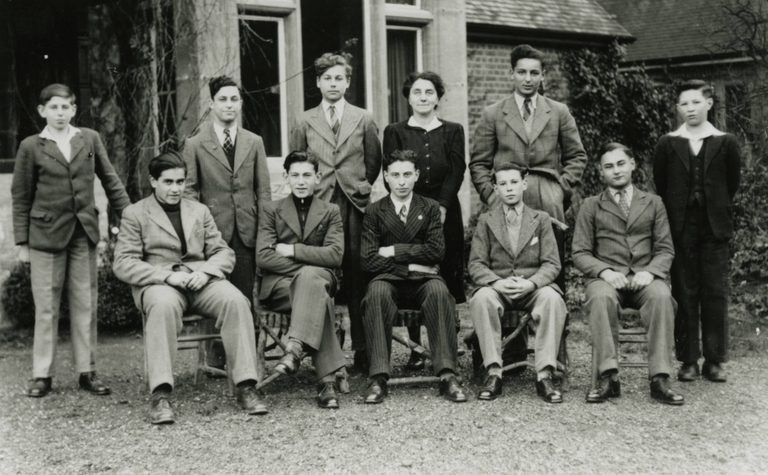
Some of the Cedar boys, Jewish refugees from Frankfurt, remained in Waddesdon on Victory Day. Lilly Steinhardt, their House Mother kept a diary from their arrival in Waddesdon and she records that on 8 May, 15 boys were informed of the death of their relatives in Nazi Extermination camps. Most of them heard of the death of one or both parents, others that a sister or brother had been killed or was missing. The impact of the war would have a life-long effect of these young men. A note in July 1945 mentions that one of them had joined the Jewish Brigade, who were still recruiting as the war continued in Palestine.
3.
James, the politician:
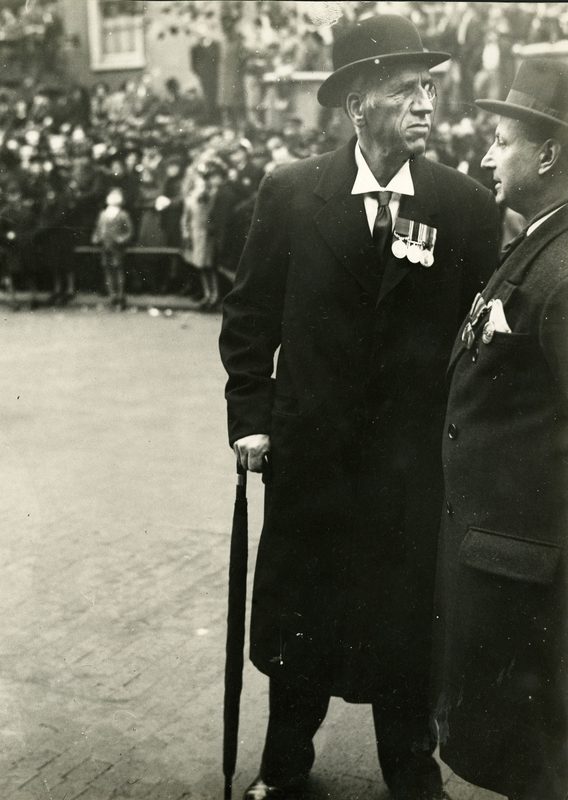
James de Rothschild was an MP from 1929 until he lost his seat in the general election on 5th July 1945. He had advised the government throughout the war and served on the Cabinet since March 1945. After the war, his political career over, he turned focus to his philanthropic work locally, nationally and internationally.
4.
Dorothy and the WVS:
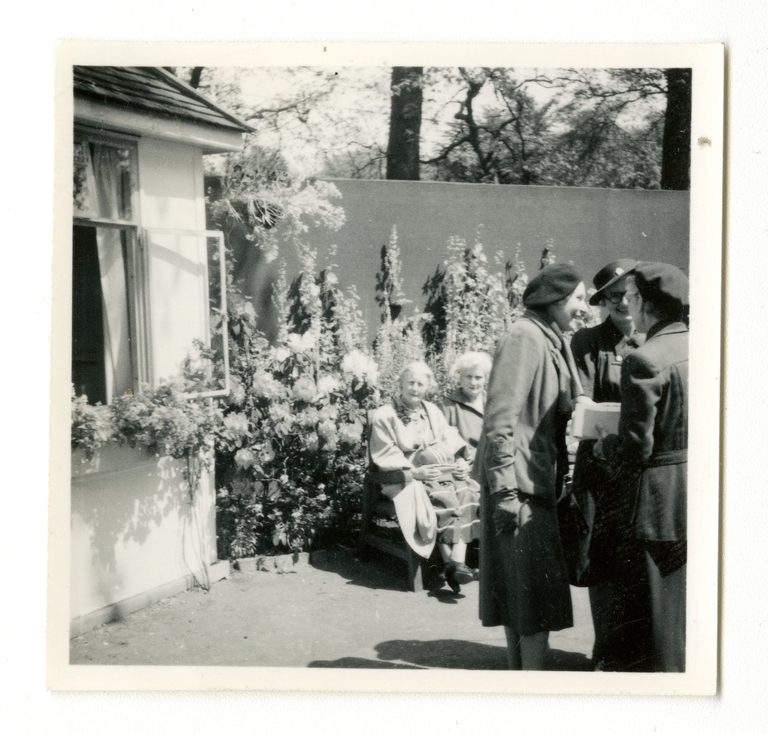
Dorothy de Rothschild spent much of the war volunteering with various groups. The Women’s Voluntary Service (WVS) established in 1938 by her close friend Stella Isaacs, Lady Reading, was one of those she gave most time to at a local and national level. After the war she took a lead in their Garden Gift Scheme. This project aimed to help owners of blitzed or prefabricated houses begin making or re-making their gardens. The WVS collected surplus plants or seeds and arranged for them to be distributed to recipients in areas affected by the blitz. The WVS had a stand at the 1947 Chelsea Flower Show to encourage donations, winning four gold medals in the 1950s. Dorothy continued to be involved until the 1980s.